AI Tools You Can't Ignore in 2026 If You Want to Work Faster
Discover the essential AI tools dominating 2026 that will transform your productivity. From ChatGPT to Cursor, learn which tools will help you work faster and smarter.

In 2026, the traditional boundary between searching for information and synthesizing it into coherent arguments has dissolved. The most advanced research and writing tools now function as AI Thinking Partners—systems that don't merely locate information but analyze it, verify its reliability, identify patterns across sources, and help structure findings into compelling narratives.
This transformation means researchers and writers no longer spend days gathering sources, weeks reading and taking notes, and additional weeks organizing thoughts into coherent documents. AI thinking partners compress this timeline dramatically while often improving output quality through their ability to process vast amounts of information and identify connections humans might miss.
The researchers thriving in 2026 understand how to direct AI thinking partners effectively, ask probing questions, and critically evaluate AI syntheses rather than accepting them uncritically.
The journey from traditional search engines to AI thinking partners represents one of the most significant shifts in knowledge work. Early search tools returned lists of potentially relevant links, requiring humans to visit each site, evaluate credibility, extract relevant information, and synthesize findings. This process was time-consuming and prone to missing important sources or connections.
Modern AI research tools conduct this entire process autonomously. They don't just find sources—they read them, evaluate their credibility, extract relevant claims and evidence, identify agreements and contradictions across sources, and organize findings into structured reports with proper citations. What required days of human effort now happens in minutes or hours.
This evolution fundamentally changes the nature of research work. Instead of spending most time gathering and organizing information, researchers now focus on asking better questions, evaluating AI-generated syntheses critically, and developing original insights based on comprehensive understanding of existing knowledge. The bottleneck shifts from information access to insight generation.
The researchers thriving in 2026 are those who understand how to direct AI thinking partners effectively, ask probing questions that surface important patterns, and critically evaluate AI syntheses rather than accepting them uncritically. The goal isn't replacing human thinking but augmenting it with AI capabilities for processing vast information volumes.
OpenAI "Deep Research" (GPT-5.1) : Autonomous Research Agent
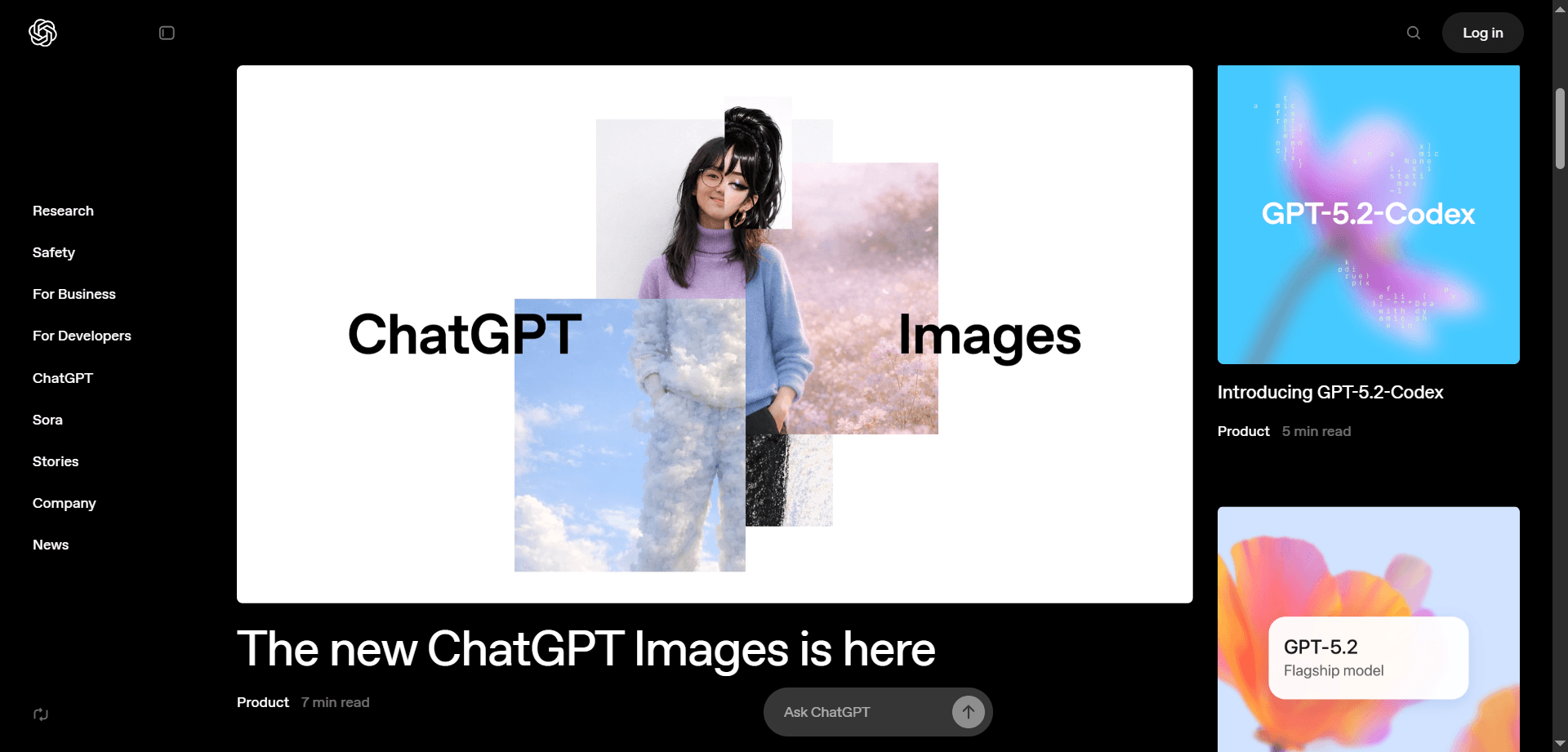
OpenAI's Deep Research mode represents the flagship autonomous research capability for 2026. The system can spend up to thirty minutes independently investigating a research question, checking dozens of sources, evaluating credibility, identifying patterns, and producing a comprehensive structured report with full citations.
What makes Deep Research transformative is its true autonomy. You pose a research question, and the AI develops its own investigation strategy—determining what sub-questions need answering, which sources to consult, how to verify claims, and how to structure findings. It doesn't just execute your research plan; it creates and executes its own plan based on what it discovers.
The output quality often matches or exceeds what a graduate student might produce in several days of focused research. Reports are structured logically, claims are supported with specific citations, contradictions in sources are noted and discussed, and gaps in current knowledge are identified.
For researchers, consultants, journalists, and anyone conducting in-depth investigations, Deep Research provides the capability to thoroughly investigate topics in hours that would traditionally require weeks. You can explore multiple research directions in the time previously required for one, enabling more comprehensive analysis and better-informed decisions.
The key to effective use is asking precise, well-scoped questions. Vague questions produce shallow reports, while focused questions with clear parameters yield deep, useful analyses.
Gemini 3 (Deep Research Mode) : Guided Investigation
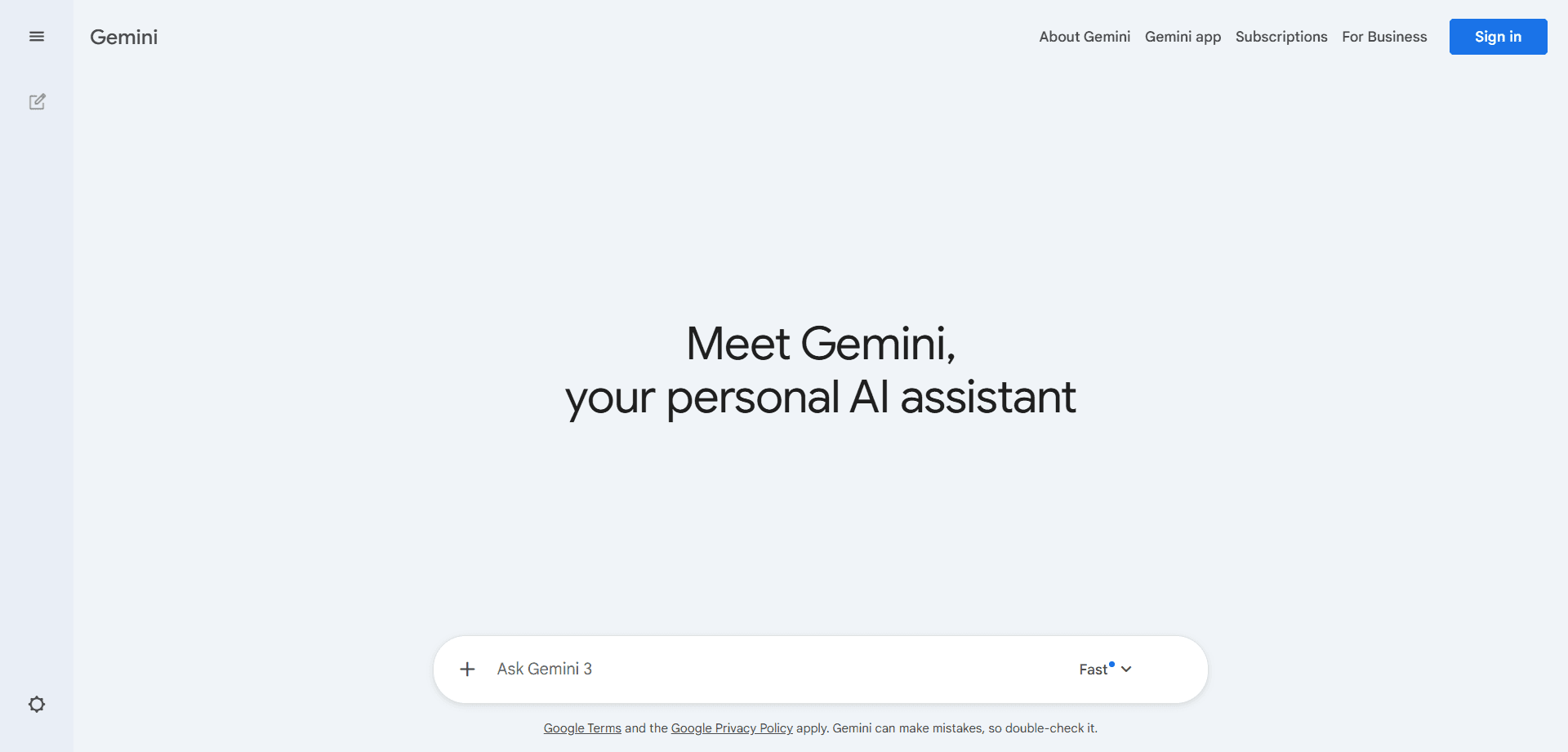
Gemini 3's Deep Research Mode takes a different approach that appeals particularly to academics: it shows you its research plan before executing and allows you to refine the approach. This transparency and control ensure the AI investigation covers specific databases, theoretical frameworks, or methodologies important to your field.
The Google Scholar integration is particularly valuable for academic research. Gemini can directly access peer-reviewed papers, dissertations, and scholarly books, ensuring research is grounded in academic literature rather than popular sources. This integration makes it especially powerful for literature reviews and academic writing.
The ability to steer the research plan before execution addresses a common concern with fully autonomous AI research—ensuring the investigation uses appropriate methodologies and sources for your specific field. You can specify that research should focus on particular time periods, geographical regions, theoretical frameworks, or research methodologies.
For academics and researchers in specialized fields with specific methodological requirements, Gemini 3's guided approach provides the thoroughness of autonomous research with the precision of human direction. The result is research that's both comprehensive and appropriately focused.
Perplexity AI : The New Research Search Engine
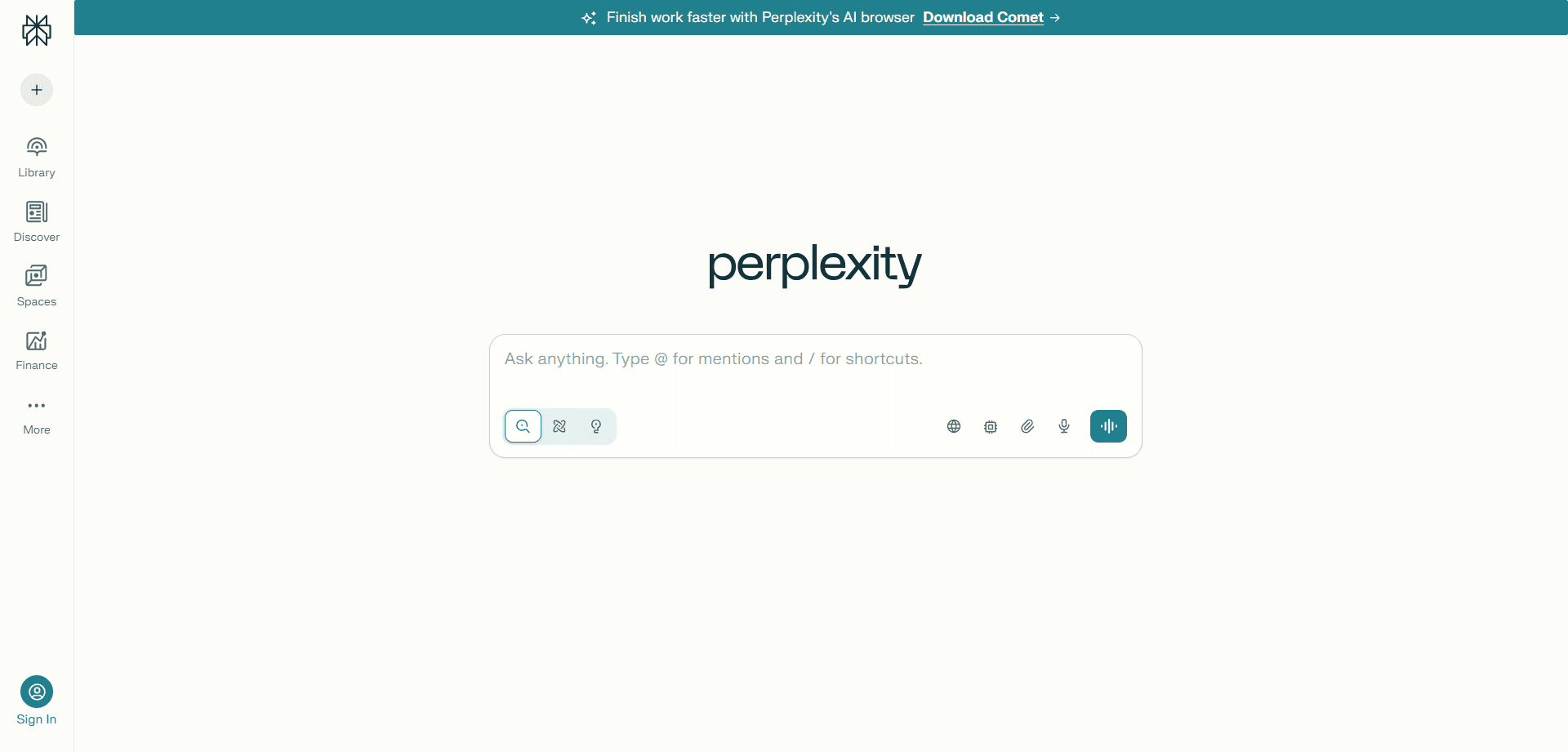
Perplexity AI has established itself as the trending leader for source-based answers, effectively becoming the primary search engine for students and professionals who need real-time, cited facts without the SEO clutter plaguing traditional search engines. The platform synthesizes information from multiple sources and provides direct answers with clear citations.
What distinguishes Perplexity from traditional search is that you receive answers rather than lists of links. The AI reads sources, synthesizes information, and presents findings directly with citations allowing you to verify claims. This eliminates the tedious process of clicking through search results hoping to find relevant information.
The citation quality is crucial for academic and professional use. Every claim is linked to its source, allowing you to verify information, access original sources for deeper reading, and properly cite information in your own work. This transparency makes Perplexity trustworthy for serious research rather than just casual information seeking.
For researchers in the early stages of investigating topics, Perplexity provides rapid understanding of current knowledge, key debates, and important sources worth deeper examination. It's particularly effective for quickly getting up to speed on unfamiliar topics.
Consensus : Scientific Consensus Measurement
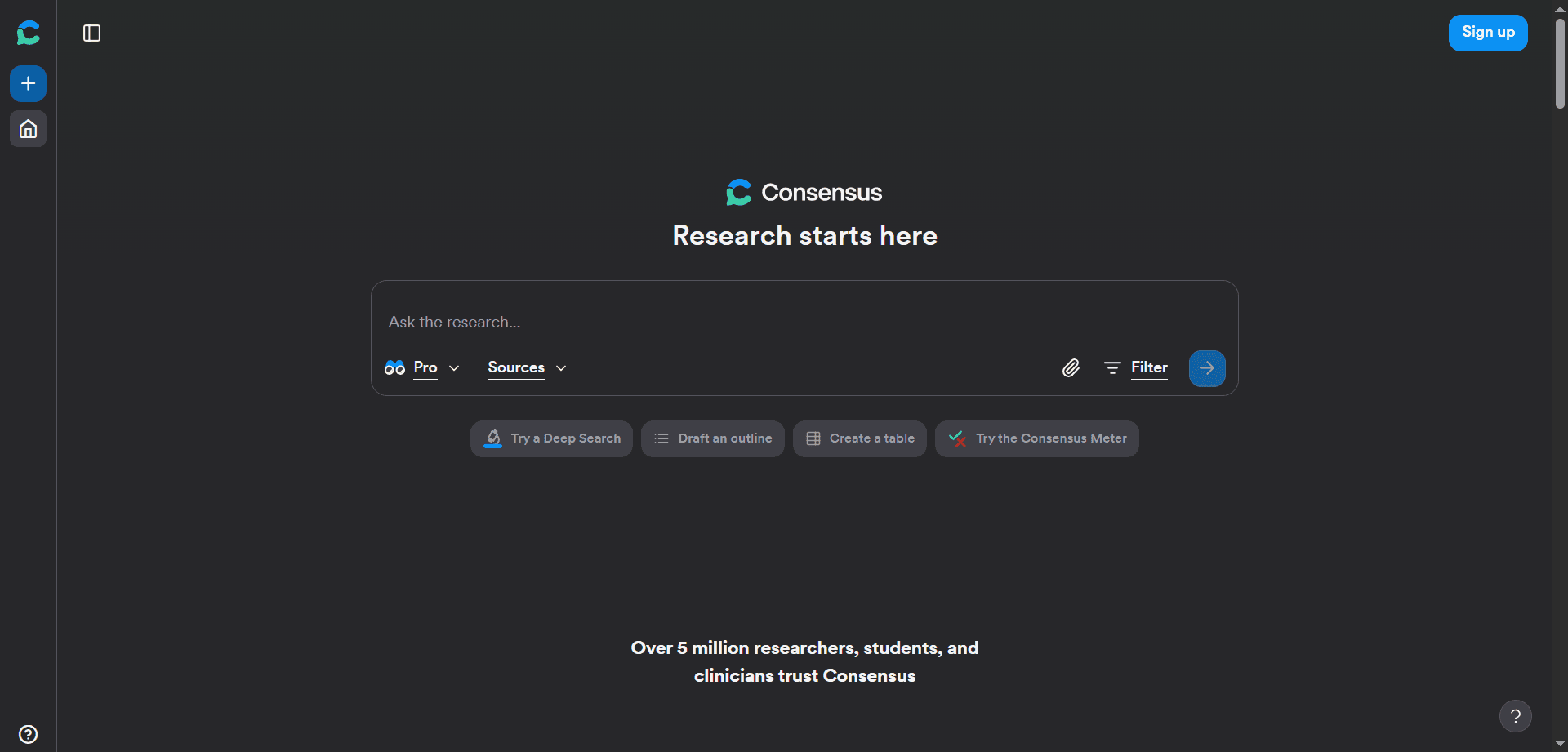
Consensus has become essential for research requiring understanding of scientific agreement on specific claims. This specialized search engine exclusively pulls from peer-reviewed research and features a "Consensus Meter" showing what percentage of the scientific community supports particular claims.
This consensus measurement is invaluable for topics where scientific opinion is divided or where popular media may misrepresent scientific agreement. You can quickly determine whether a claim represents fringe opinion or mainstream scientific understanding, crucial for making evidence-based decisions.
The platform is particularly powerful for literature reviews, allowing you to understand not just what individual papers claim but what the weight of scientific evidence supports. This bird's-eye view of research consensus helps avoid cherry-picking studies that support predetermined conclusions.
For anyone making decisions based on scientific evidence—whether academics, policymakers, healthcare professionals, or informed citizens—Consensus provides the big-picture understanding needed to evaluate claims responsibly.
Scite : Citation Context and Reliability
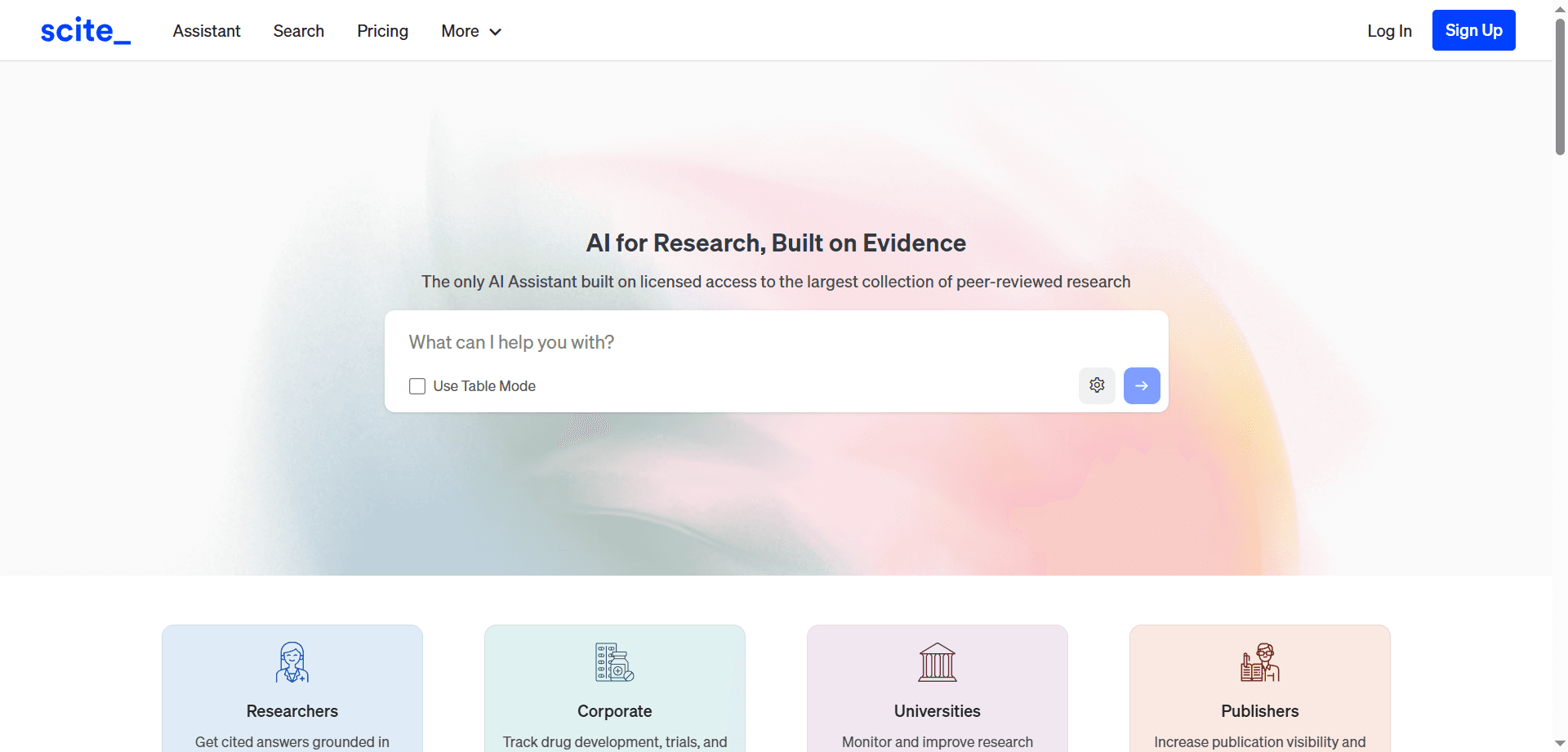
Scite addresses a critical limitation of traditional citation metrics: knowing how many times a paper has been cited doesn't tell you whether subsequent research supported, contradicted, or merely mentioned its findings. Scite provides this crucial context by categorizing citations as supporting, contrasting, or mentioning.
This citation analysis reveals whether a paper's findings have been validated by subsequent research or challenged. A highly-cited paper isn't necessarily reliable if most citations are contradicting its findings. Scite exposes this nuance, enabling better evaluation of source credibility.
For researchers evaluating whether to build on particular findings or writers deciding which studies to cite, Scite provides the quality signal that raw citation counts lack. It's particularly valuable for rapidly-moving fields where early influential papers may have been superseded by subsequent research.
Elicit : Automated Literature Review
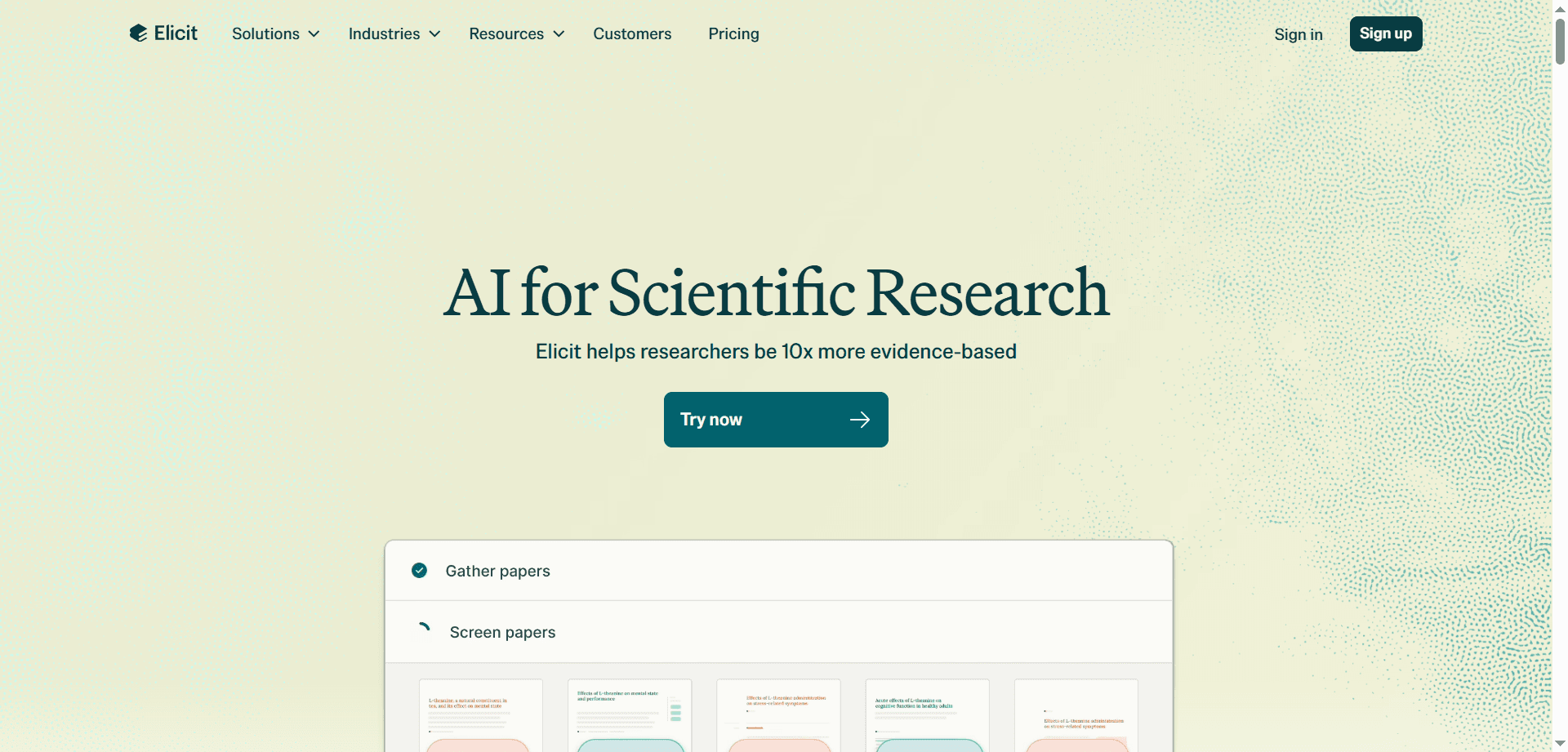
Elicit has become the trending tool for conducting literature reviews by automating the extraction of data points from thousands of papers simultaneously. The system can build comprehensive "Evidence Tables" showing how different studies address specific questions, what methodologies they used, what they found, and what limitations they acknowledged.
This capability transforms literature reviews from months of manual reading and note-taking into days of AI-assisted synthesis and analysis. Elicit can process more papers more thoroughly than humans could manually review, identifying patterns and gaps across the literature that might otherwise be missed.
The Evidence Tables are particularly valuable for systematic reviews and meta-analyses where consistent data extraction across many studies is essential. Elicit ensures extraction consistency that's difficult to achieve with manual coding, especially across large research teams.
For doctoral students conducting dissertation literature reviews, academics writing review papers, or research teams conducting systematic reviews, Elicit provides both efficiency and thoroughness that elevates review quality while dramatically reducing time investment.
NotebookLM : Personal Knowledge Expert
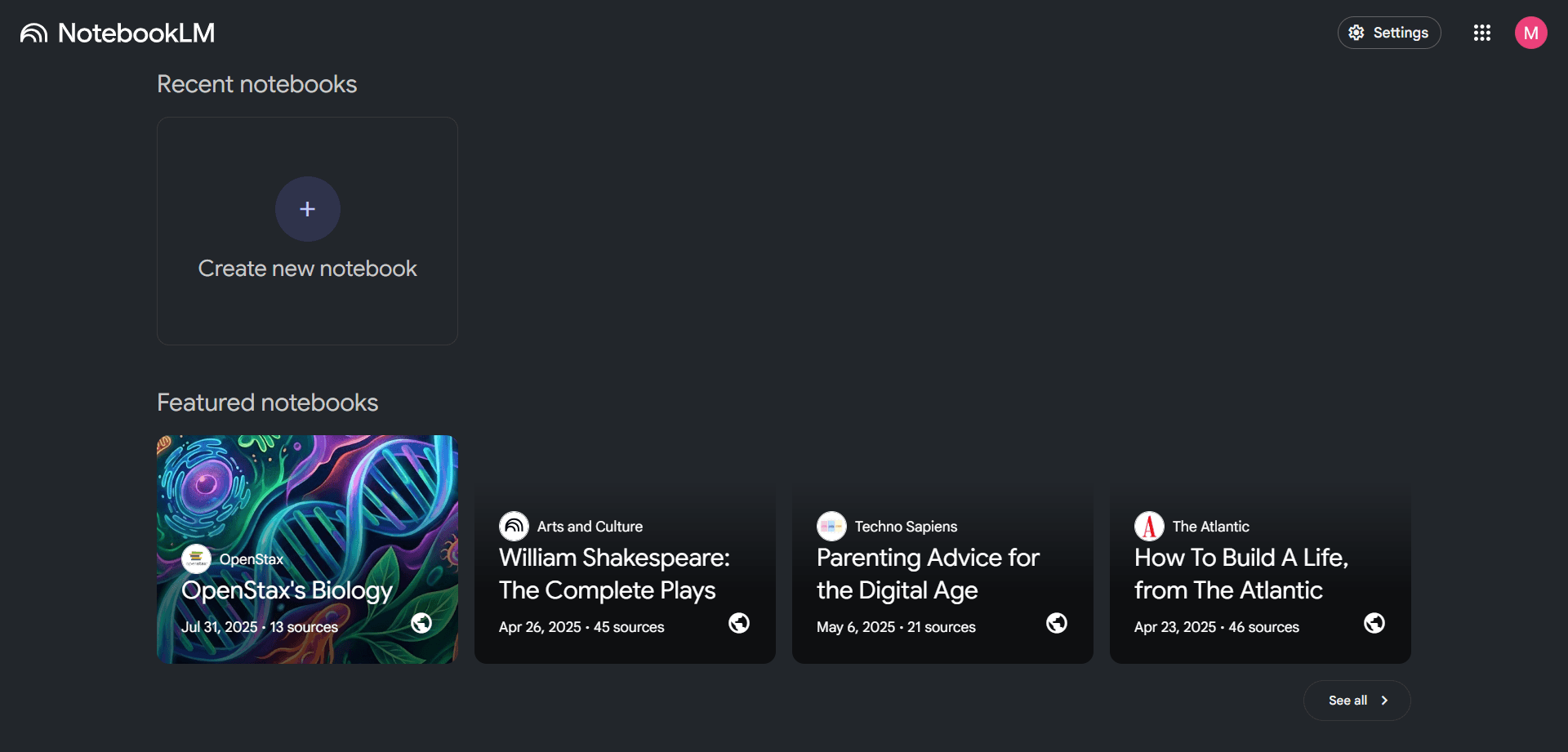
NotebookLM has become Google's viral hit for 2026 by solving a different research challenge: making sense of your own accumulated research materials. You upload your personal "source of truth"—PDFs, notes, transcripts, research papers—and NotebookLM becomes an expert specifically on those documents.
This approach eliminates a major research frustration: you've gathered dozens or hundreds of sources but lack an integrated understanding of what they collectively say. NotebookLM reads everything, identifies connections between sources, and answers questions based on your specific research collection.
The Audio Overview feature has proven particularly popular, generating podcast-style conversations about your research materials. These audio summaries help you internalize research through a different modality, particularly valuable during commutes, exercise, or other times when reading isn't practical.
Crucially, NotebookLM only uses documents you provide, eliminating the hallucination problem where AI systems generate plausible but false information. If NotebookLM makes a claim, you know it came from your sources, making it trustworthy for serious academic work.
For researchers managing large collections of papers, students preparing for comprehensive exams, or anyone trying to synthesize understanding across many sources, NotebookLM provides the integration layer that transforms individual sources into coherent knowledge.
Claude (Anthropic) : Nuanced Long-Form Writing
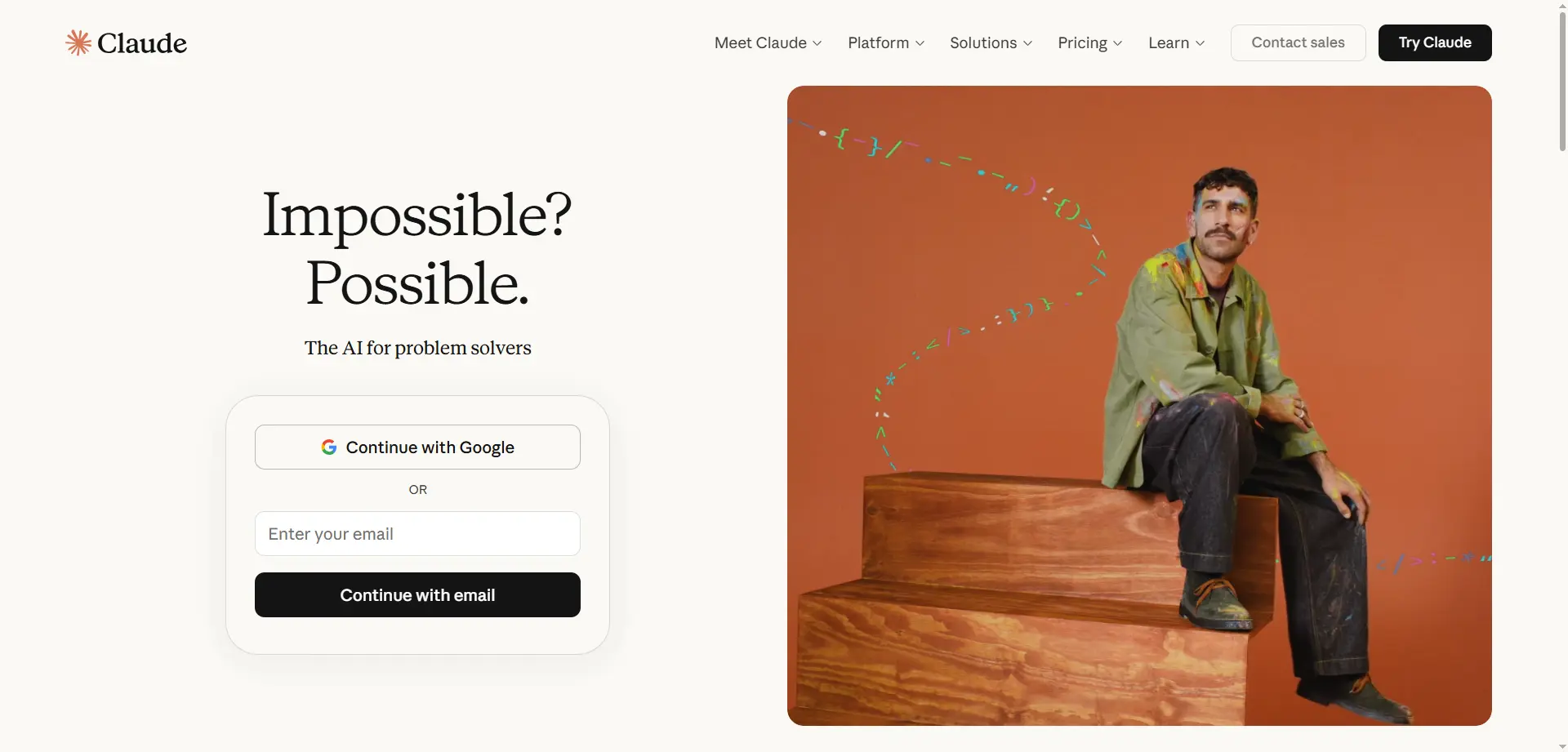
Claude has earned its reputation as the "most human" AI writer through its ability to handle long-form content with contextual nuance and natural flow. The Artifacts feature enables a split-screen workflow where you write a document on one side while chatting about revisions on the other, creating a genuinely collaborative writing experience.
What sets Claude apart is its understanding of context and nuance in longer documents. It maintains consistency across long pieces, understands implicit connections between sections, and writes in a natural voice that doesn't feel robotic or formulaic. For essays, reports, and articles requiring sophisticated argumentation and natural language, Claude consistently produces the most human-sounding output.
The conversational revision process feels more natural than editing AI-generated drafts directly. You can discuss what you want changed, why certain sections aren't working, or how to better structure arguments, and Claude understands and implements feedback thoughtfully.
For academics writing papers, journalists crafting long-form articles, or professionals developing reports requiring sophistication and nuance, Claude provides AI writing assistance that genuinely enhances output quality rather than just speeding up production.
Jasper AI : Brand-Aligned Professional Writing
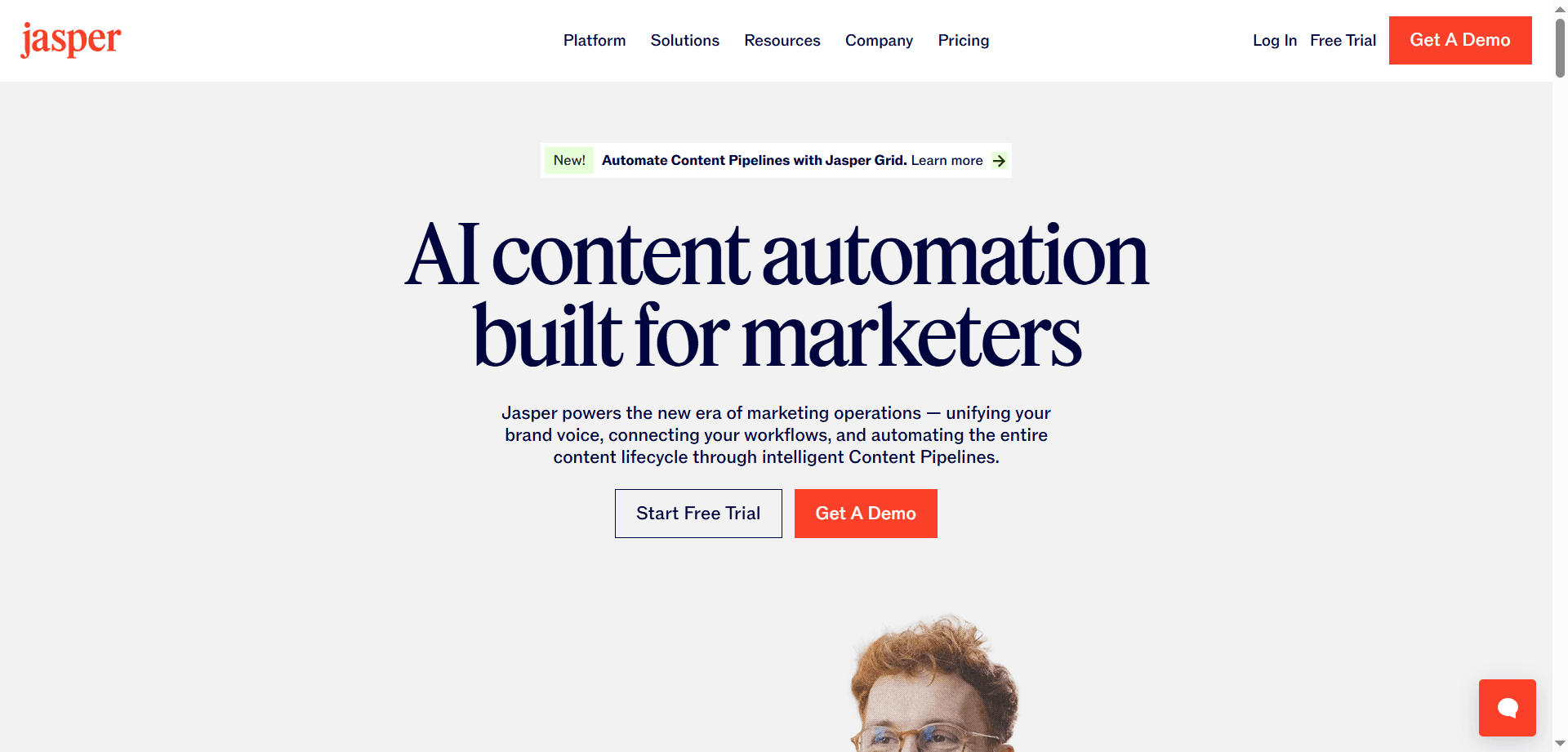
Jasper AI has maintained its leadership in professional writing through features ensuring output matches specific organizational voice and style. The "Knowledge Base" and "Style Guide" features allow organizations to train Jasper on their communication style, ensuring AI-generated content sounds authentically like the organization.
This consistency is crucial for professional communications where off-brand content damages carefully cultivated organizational identity. Whether writing research reports, white papers, blog posts, or client communications, Jasper ensures everything sounds distinctively like your organization.
The system learns not just surface-level style elements but deeper communication patterns—how you address audiences, what values you emphasize, how you structure arguments, what terminology you prefer. This deep learning produces content that truly sounds authentic rather than generic business writing with superficial style tweaks.
For organizations producing high volumes of written content across teams, Jasper enables scaling content production while maintaining the consistency that builds brand recognition and trust.
Thesify : Logic and Argumentation Analysis
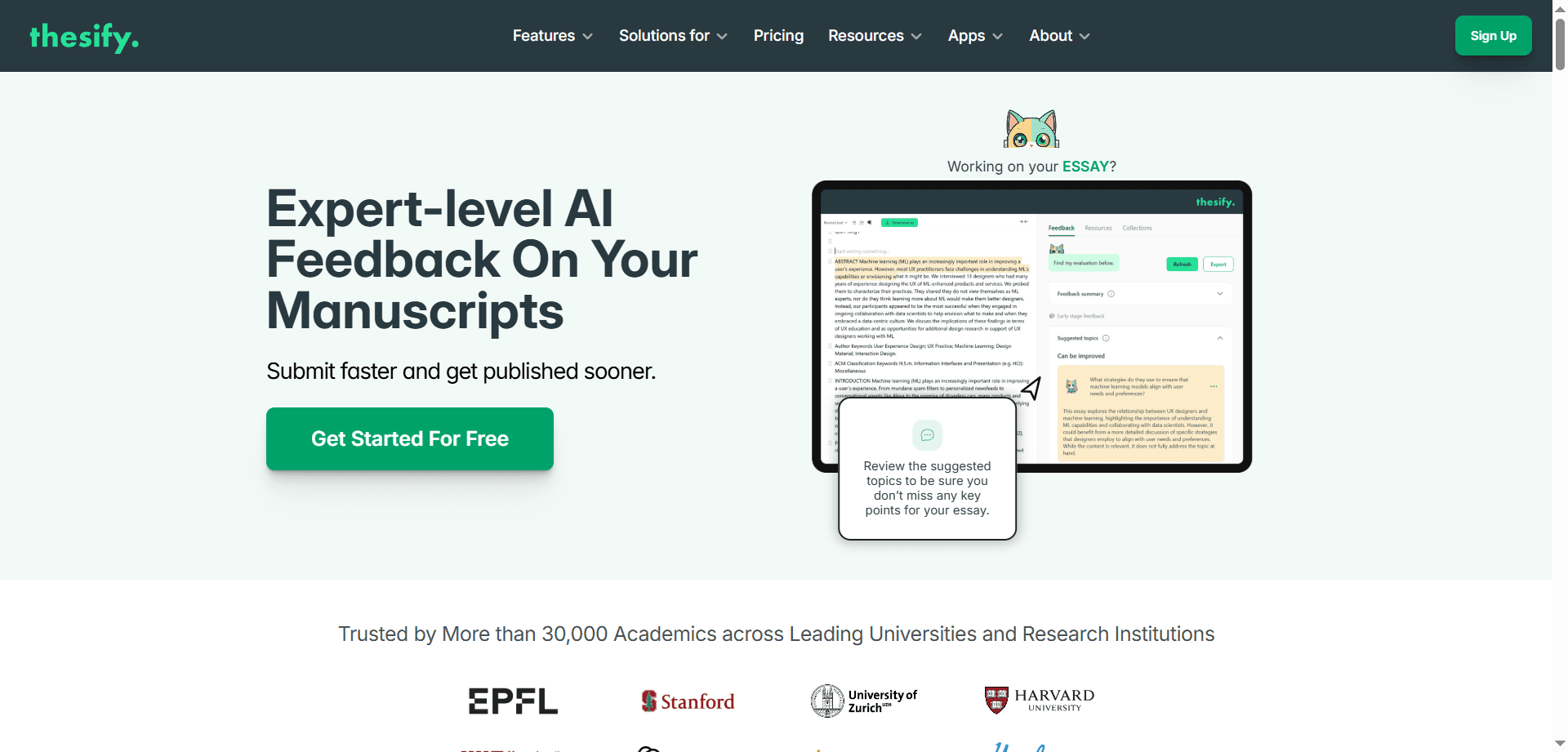
Thesify has emerged as a rising star by moving beyond grammar checking to provide reviewer-style feedback on logic, argumentation, and evidence use. The system analyzes your writing's conceptual structure, identifying weak arguments, unsupported claims, logical fallacies, and opportunities to strengthen your case.
This higher-order feedback addresses the aspects of writing that matter most for academic and professional success but are hardest to get feedback on. Grammar checkers catch surface errors, but Thesify identifies whether your arguments actually support your conclusions, whether your evidence is sufficient and appropriate, and whether your reasoning is sound.
For students submitting papers, academics preparing manuscripts for publication, or professionals writing persuasive documents, Thesify provides the substantive feedback that improves writing quality at the level that actually matters. Getting this feedback before submission prevents the disappointment of grammatically perfect papers that fail due to conceptual problems.
Grammarly (2026 Edition) : Strategic Communication
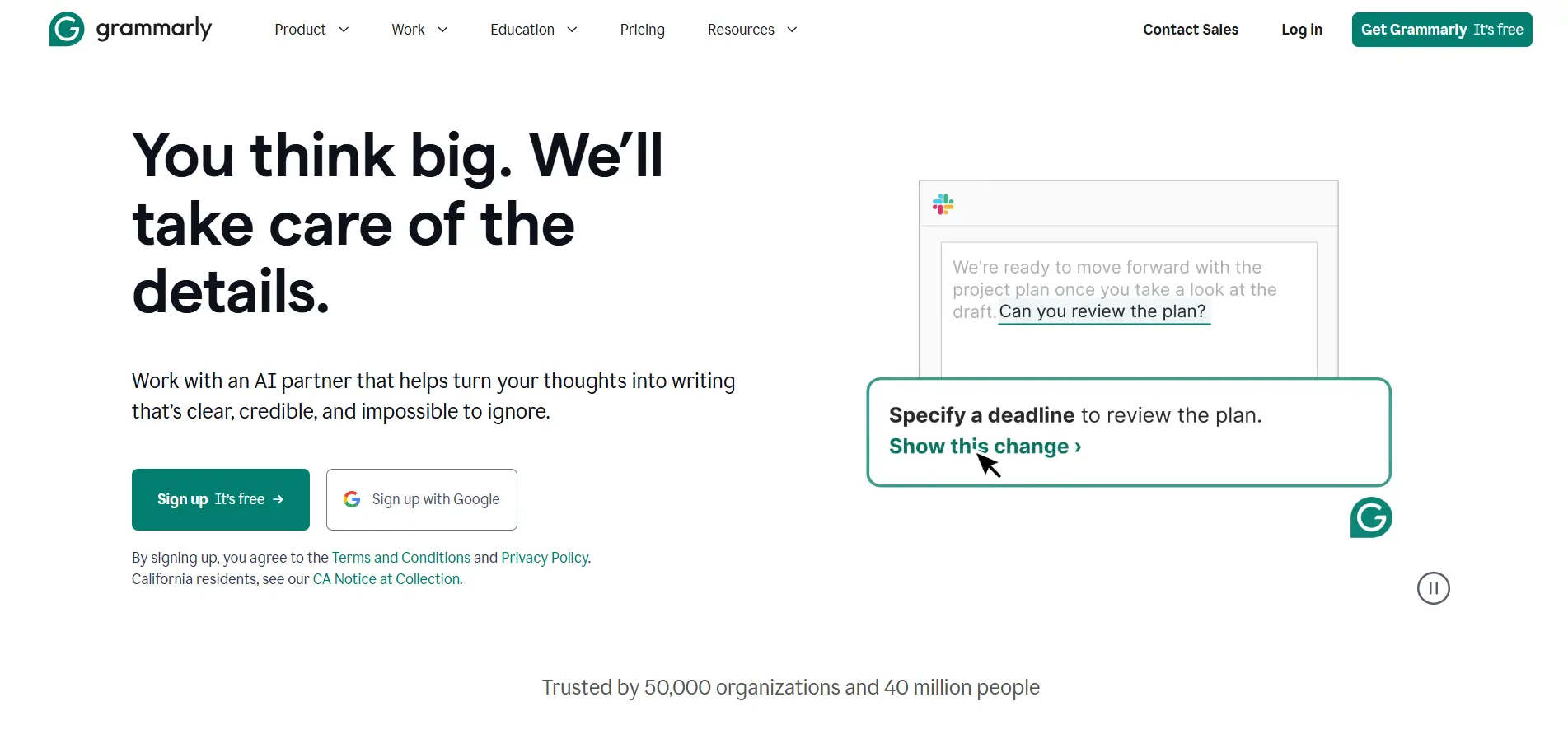
Grammarly has evolved far beyond identifying grammatical errors to provide Strategic Rewriting suggestions that make writing more persuasive, professional, or appropriate for specific audiences. The 2026 edition understands communication goals and suggests revisions that better achieve those goals.
If you're writing to persuade, Grammarly suggests stronger language, more compelling evidence placement, and structural changes that increase persuasiveness. If you're writing professionally to senior executives, it suggests greater conciseness and more confident framing. This context-aware assistance goes far beyond fixing errors to improving communication effectiveness.
The audience-awareness is particularly valuable. The same content needs different treatment for academic audiences versus general public, for technical experts versus novices, for internal communications versus external. Grammarly helps adapt writing appropriately for each context.
Writefull : Academic Language Precision
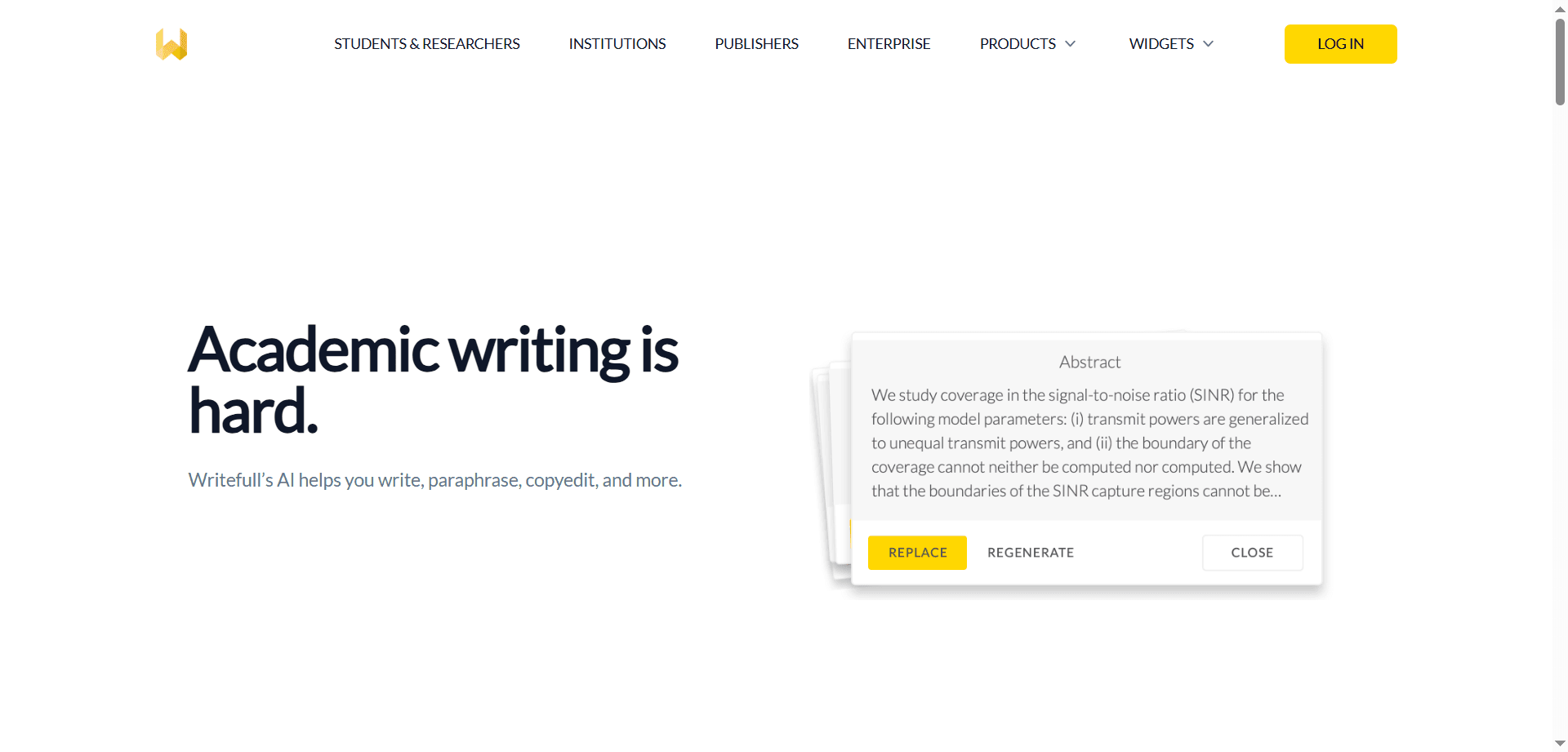
Writefull has become trending among non-native English speakers and early-career academics for its specialization in academic writing conventions. Trained on millions of journal articles, it suggests "Academic Collocations"—phrases that sound natural in scholarly contexts.
This specialized knowledge helps writers sound like native academic English speakers even when English isn't their first language. It catches subtle deviations from academic conventions that might not be grammatically wrong but sound awkward to native academic readers.
The tool is particularly valuable for avoiding common issues that disadvantage non-native speakers in academic publishing—not language errors but subtle stylistic choices that mark writing as non-native, potentially creating unconscious bias during peer review.
QuillBot : Paraphrasing and Research Organization
QuillBot remains essential for paraphrasing and improving flow, with its 2026 update adding an AI Research Organizer that manages snippets and citations in a side-by-side view with your draft. This integrated workflow keeps research accessible while writing, eliminating context switching between documents.
The paraphrasing capability helps transform notes into original prose, avoiding inadvertent plagiarism while incorporating research findings into your own writing. The system maintains meaning while completely rewording text, ensuring you express ideas in your own voice.
The Research Organizer solves a common writing challenge: managing dozens of sources and quotes while drafting. Having research visible alongside your draft makes it easy to incorporate evidence without losing focus on your argument or forgetting what sources support which claims.
Discovery Phase → Perplexity / Consensus
Why It's Trending: Finds verified, cited facts in seconds. Eliminates hours of traditional searching through SEO-optimized content farms to find credible information.
Analysis Phase → NotebookLM / Elicit
Why It's Trending: Turns messy folders of PDFs into interactive knowledge bases. Identifies patterns across literature that manual reading might miss.
Drafting Phase → Claude / Jasper
Why It's Trending: Writes with high nuance and brand consistency. Produces human-quality prose requiring minimal revision.
Refining Phase → Thesify / Grammarly
Why It's Trending: Checks your logic and tone, not just spelling. Provides substantive feedback that improves communication effectiveness.
Verification Phase → Scite / Consensus
Why It's Trending: Validates source reliability and scientific agreement. Prevents building arguments on discredited or controversial sources.
Successfully implementing AI research and writing tools requires building an integrated pipeline rather than using tools in isolation.
Begin by clearly articulating your research question. AI tools work best with specific, well-scoped questions. Vague questions produce shallow results, while precise questions yield deep insights.
Use Perplexity or Consensus for initial exploration. Get oriented to the topic, understand key debates, identify important sources worth deeper examination. This phase should be quick—hours, not days.
For topics requiring comprehensive understanding, deploy Deep Research agents from OpenAI or Gemini. Let them spend time conducting thorough investigations, producing structured reports with citations.
Use Scite to verify that key sources you're building on have been validated by subsequent research. Check Consensus to ensure your understanding aligns with scientific agreement when relevant.
If conducting formal literature reviews, use Elicit to systematically extract data across many papers. For personal research collections, use NotebookLM to synthesize understanding across your sources.
Use Claude for sophisticated long-form writing or Jasper for brand-aligned professional writing. Let AI handle initial drafting based on research findings, focusing your effort on argument structure and original insights.
Use Thesify for substantive feedback on logic and argumentation. Apply Grammarly for strategic communication improvements. Use Writefull for academic language precision if writing for scholarly audiences.
Use QuillBot's Research Organizer to manage sources and citations as you write. Ensure proper attribution throughout the process.
The abundance of AI-accessible information creates new challenges around information overload and analysis paralysis. Effective researchers have developed strategies for managing this abundance.
Recognize that you don't need to read everything ever written on a topic. Use AI tools to quickly achieve sufficient understanding for your purposes, resisting the temptation to endlessly gather more sources.
Start with broad understanding before diving deep. Use tools like Perplexity for quick overviews before committing to deep investigation of specific aspects.
Begin with basic questions, then use initial findings to formulate more sophisticated follow-up questions. This iterative approach is more efficient than trying to ask perfectly comprehensive questions initially.
Just because AI can find and synthesize vast amounts of information doesn't mean all of it is relevant or reliable. Maintain critical evaluation standards, using verification tools to assess source quality.
Shift focus from accumulating information to synthesizing insights. The bottleneck isn't information access—it's generating novel understanding from available information.
AI research and writing tools raise important questions about academic integrity and intellectual honesty. Responsible use requires clear ethical guidelines.
Use AI tools to enhance your understanding and writing capability, not to substitute for genuine intellectual engagement. The goal is augmenting your capabilities, not bypassing learning.
Many institutions now require disclosure of AI tool use in academic work. Even where not required, consider being transparent about how AI contributed to your work. This transparency builds trust and models responsible practice.
AI tools should support your original thinking, not replace it. Use them for research synthesis, draft generation, and refinement, but ensure the core arguments, insights, and interpretations are genuinely yours.
When AI tools provide citations, verify them before using them in your work. AI occasionally generates plausible but false citations. You're responsible for accuracy of every citation in your work.
If AI generates substantial text that you include in your work, consider whether attribution is appropriate under your institution's or publisher's guidelines. Policies vary and continue evolving.
The principle should be using AI to make you a better researcher and writer, not to do work you claim as entirely your own. The goal is augmented intelligence, not artificial authenticity.
Effective writing requires adapting voice, structure, and content for specific audiences. AI tools increasingly help with this adaptation while maintaining core content integrity.
Use Writefull for proper academic conventions, ensure claims are fully supported with peer-reviewed citations (verified via Scite and Consensus), maintain appropriate hedging and precision. Academic writing prioritizes accuracy and evidence over accessibility.
Use Jasper configured with your organization's voice, focus on actionable insights rather than methodological detail, emphasize practical implications. Professional writing prioritizes clarity and relevance.
Use Grammarly's audience awareness features to simplify language, remove jargon, add examples and analogies. Public writing prioritizes accessibility and engagement over comprehensiveness.
Assume background knowledge, focus on novel contributions, include methodological detail. Technical writing prioritizes precision and innovation for knowledgeable audiences.
Claude's conversational editing is particularly effective for audience adaptation. You can describe your target audience and discuss how to adjust content appropriately, receiving suggestions that maintain content substance while adjusting presentation.
Research and writing increasingly happen collaboratively. AI tools are adapting to support collaborative workflows.
Tools like Claude's Artifacts maintain edit history, allowing collaborative iteration while preserving previous versions. This enables trying different directions without losing good earlier work.
When receiving feedback from advisors, reviewers, or collaborators, AI tools can help implement suggestions systematically. Describe the feedback conversationally, and AI can suggest specific revisions implementing it.
Jasper's style guide features help maintain voice consistency when multiple authors contribute to shared documents. This prevents the disjointed quality that often plagues multi-author work.
AI tools enable rapid iteration based on feedback. Instead of major rewrites, you can have AI make specific revisions, see results immediately, and iterate until output meets expectations.
The key is maintaining human judgment throughout. AI implements changes, but humans decide whether changes improve the work and whether they accurately represent what collaborators intended.
The trajectory of AI research and writing tools points toward increasingly sophisticated thinking partnership where AI handles progressively more complex aspects of intellectual work.
Future systems will conduct research spanning days or weeks, autonomously following leads, evaluating sources, identifying gaps, and updating their research strategy based on findings. Research that currently requires human direction will increasingly happen autonomously with human oversight.
AI will seamlessly integrate information from text, images, videos, podcasts, and data visualizations, synthesizing understanding across modalities rather than treating each separately.
Rather than AI generating complete drafts, future systems will engage in back-and-forth argumentation, challenging your reasoning, suggesting alternatives, and helping refine thinking through dialogue before any drafting occurs.
AI will function as writing coaches that understand your specific weaknesses and systematically help you improve. Rather than just correcting errors, they'll identify patterns and help you develop capabilities.
As you write, AI will automatically verify factual claims, suggest relevant citations, flag potential contradictions, and ensure arguments are properly supported, providing quality assurance throughout the writing process rather than just during revision.
The researchers and writers thriving in this future will be those who use AI to extend their capabilities while developing the judgment to critically evaluate AI outputs, the creativity to generate novel insights, and the wisdom to ask questions worth investigating.
Research and writing in 2026 aren't about replacing human intellect with artificial intelligence—they're about amplifying human capabilities to engage with knowledge at scales and speeds previously impossible. The goal is enabling every researcher and writer to achieve the comprehensiveness, rigor, and clarity that only the most exceptional previously achieved, democratizing excellence through augmented intelligence.
The future belongs to those who embrace AI thinking partners while maintaining the critical thinking, creativity, and intellectual integrity that makes research and writing valuable. These tools don't reduce the importance of human thinking—they elevate it by handling routine cognitive work so humans can focus on the questions, insights, and arguments that only humans can generate.
Discover the essential AI tools dominating 2026 that will transform your productivity. From ChatGPT to Cursor, learn which tools will help you work faster and smarter.

Discover the top AI tools revolutionizing content creation in 2026. From video editing to social media management, learn which tools will transform your creative workflow.

Discover how modern professionals are transforming from manual app-switching to AI-powered integrated orchestration. Learn the tools and strategies that eliminate workflow friction and multiply daily productivity.

Discover how the software development landscape has transformed from AI-assisted coding to Agentic Engineering. Learn about the best AI tools developers use in 2026 to manage fleets of AI agents for autonomous development.