
AI Tools You Can't Ignore in 2026 If You Want to Work Faster
Discover the essential AI tools dominating 2026 that will transform your productivity. From ChatGPT to Cursor, learn which tools will help you work faster and smarter.

In 2026, the startup playbook has fundamentally rewritten itself. The era of "growth at all costs" has given way to "profitability through efficiency." Modern startups are no longer rushing to hire "Head of Marketing" or "VP of Sales" as their first five employees. Instead, they're deploying AI-Native Stacks that enable teams of three to accomplish what previously required thirty people.
This transformation represents more than just cost-cutting—it's a fundamental reimagining of how companies are built. AI-native startups achieve product-market fit faster, extend runway dramatically, and reach profitability with a fraction of the capital that previous generations required. The most successful founders in 2026 aren't those with the biggest teams or largest funding rounds—they're those who most effectively orchestrate AI tools to multiply their small team's impact.
Modern startups can reach $1M+ ARR with 3-5 people, maintaining 80%+ gross margins without the burden of dozens of specialist salaries.
The venture capital environment of 2026 has fundamentally changed. Investors no longer celebrate massive headcount growth as a positive signal. Instead, they're impressed by startups achieving significant revenue with skeleton crews, demonstrating capital efficiency that promises sustainable unit economics.
This shift emerged from painful lessons learned during the 2022-2024 period when heavily-funded startups with hundreds of employees collapsed when growth slowed. Investors realized that large teams created fixed costs that made pivoting difficult and profitability distant. Meanwhile, lean AI-native startups were achieving comparable or better results with minimal burn rate.
Modern founders are building companies that can reach $1M+ ARR with three to five people, maintaining 80%+ gross margins because they're not burdened with salaries for dozens of specialists. These economics fundamentally change startup viability—companies can bootstrap to profitability, don't need to raise excessive capital, and retain far more equity.
The AI-native approach doesn't mean startups avoid hiring entirely—but hiring happens much later, after product-market fit is proven and unit economics are established. Early-stage hiring focuses on roles requiring human judgment, creativity, and relationship-building that AI cannot replicate, while AI handles scalable execution.
Notion AI : The Startup Operating System
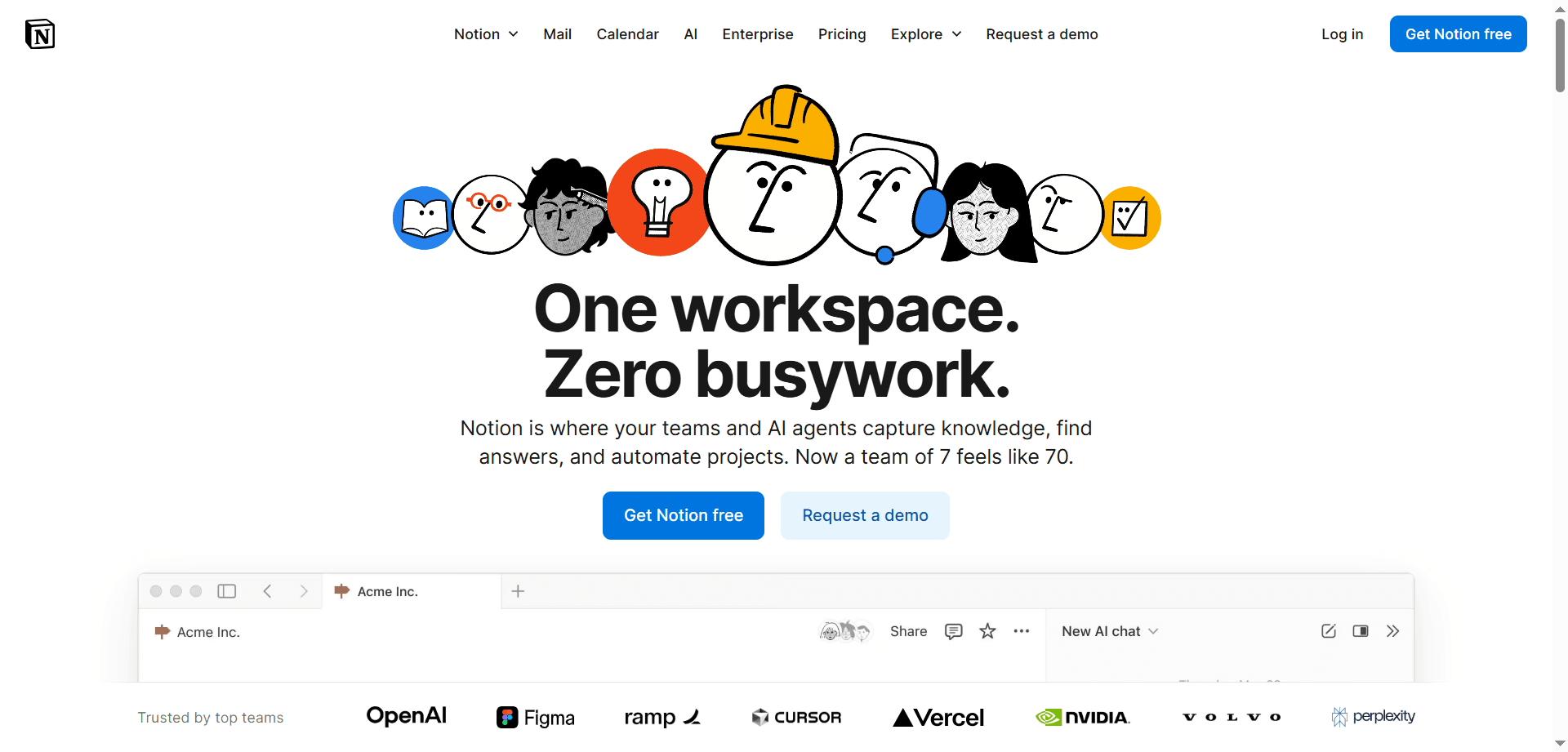
Notion AI has established itself as the undisputed operating system for AI-native startups. The 2026 Q&A for Docs feature transforms how startups maintain institutional knowledge—you can ask "What was our decision on the Q3 pivot?" and receive instant answers sourced from all meeting notes, wikis, and documents.
This capability solves a critical startup challenge: knowledge exists in scattered documents, Slack threads, and individual memories. As teams move fast and make countless decisions, maintaining accessible institutional memory becomes impossible manually. Notion AI ensures every decision, discussion, and rationale remains accessible through natural language queries.
The platform serves as central hub for everything—product roadmaps, customer research, meeting notes, company policies, investor updates. Having one source of truth prevents the information fragmentation that causes miscommunication and repeated discussions of settled questions.
For lean startup teams where everyone wears multiple hats, Notion AI enables operating with the organizational clarity that larger companies achieve through dedicated operations managers and chief of staff roles. You maintain coherence and alignment without administrative overhead.
Perplexity Pro : Market Intelligence Engine
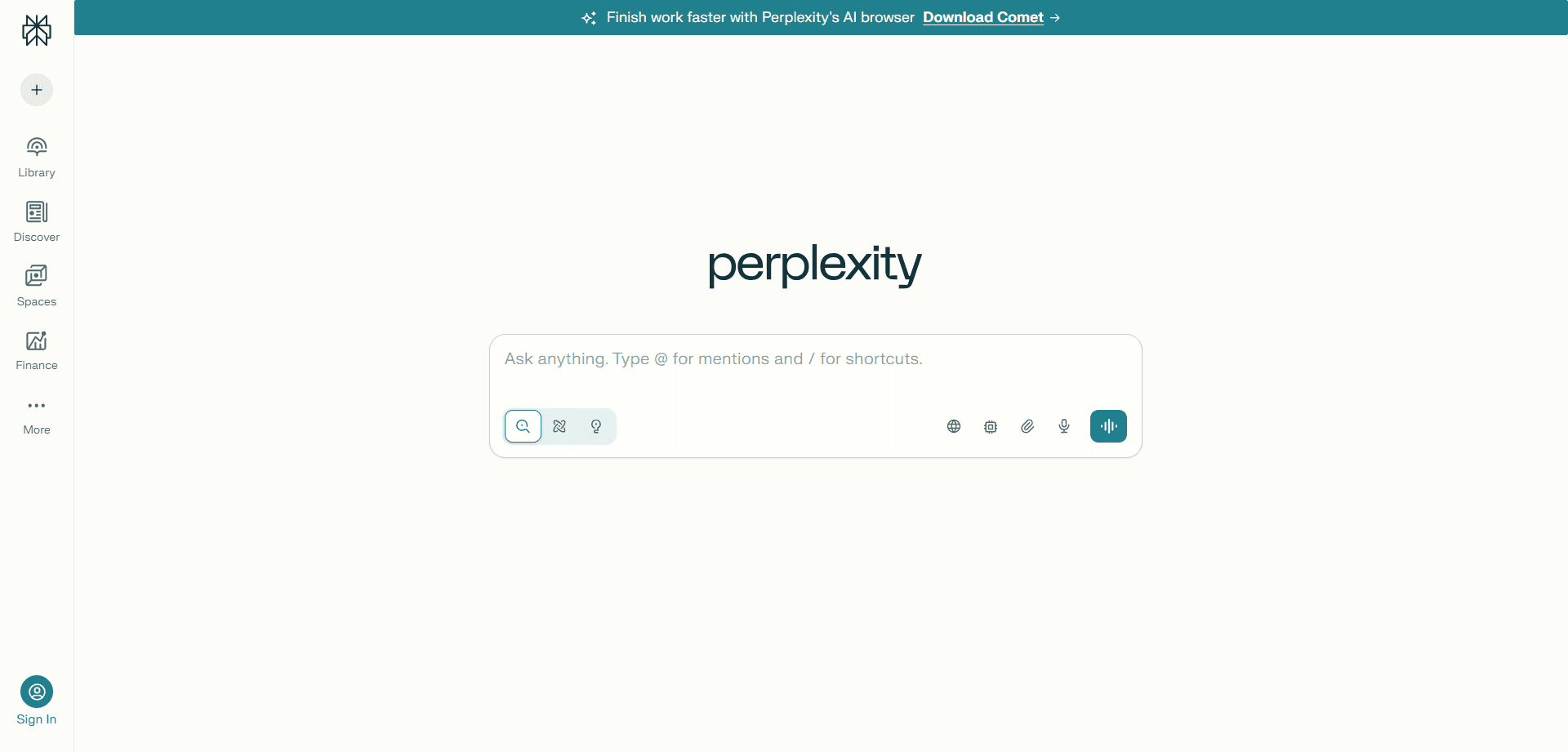
Perplexity Pro has become essential for market intelligence, replacing hours of manual research with real-time cited answers about competitor moves, funding rounds, industry trends, and emerging technologies. Founders use it to stay informed about their competitive landscape without hiring analysts or subscribing to expensive research services.
The tool's cited answers ensure you're building strategy on verified information rather than rumors or outdated data. When making pivots, pricing decisions, or product prioritization choices, you can quickly research what competitors are doing, what customers are saying, and what industry trends are emerging.
This continuous market awareness is particularly valuable for early-stage startups that need to move fast but can't afford to move blindly. You make informed decisions based on current market reality rather than assumptions or hope.
Fathom & Fireflies : Meeting Memory Systems
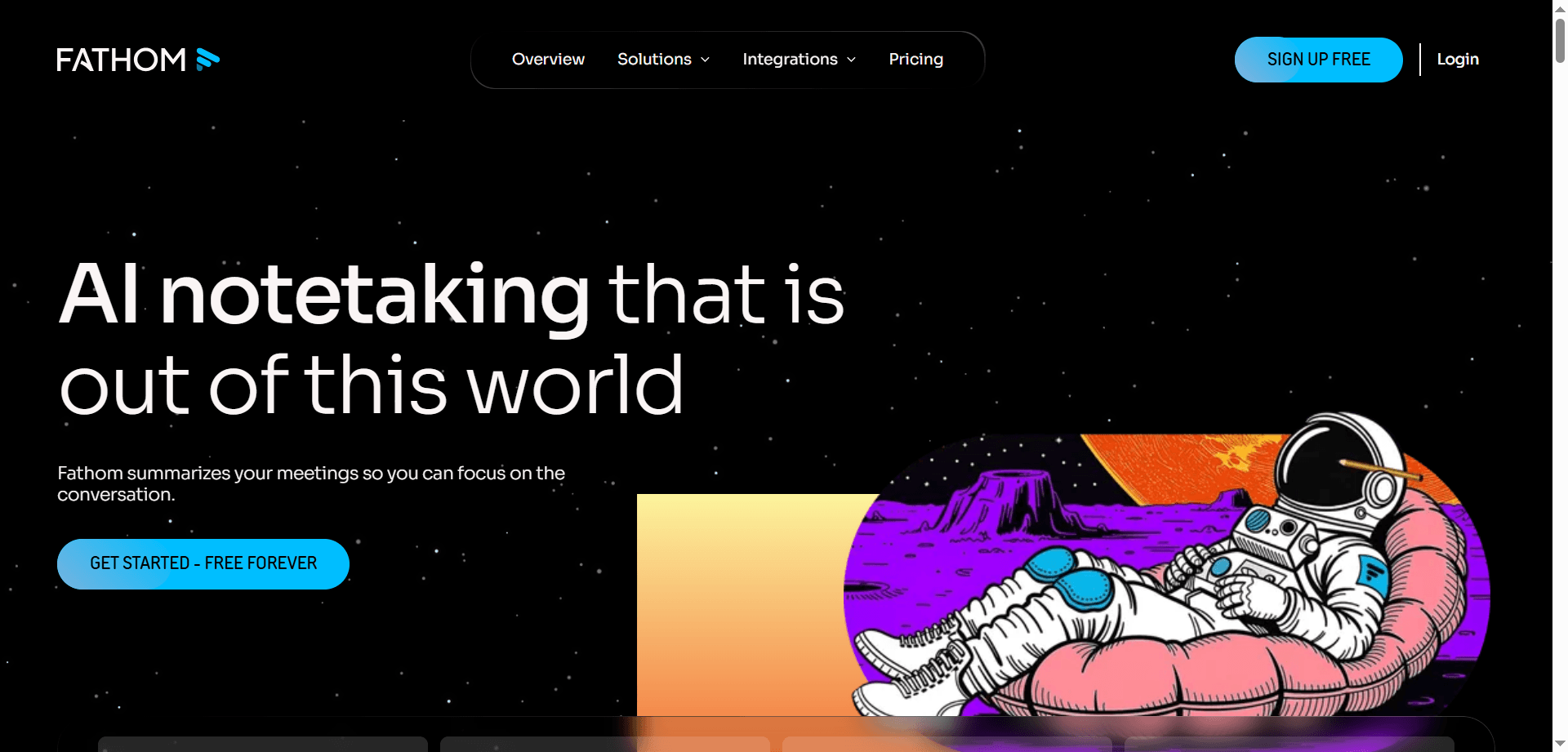
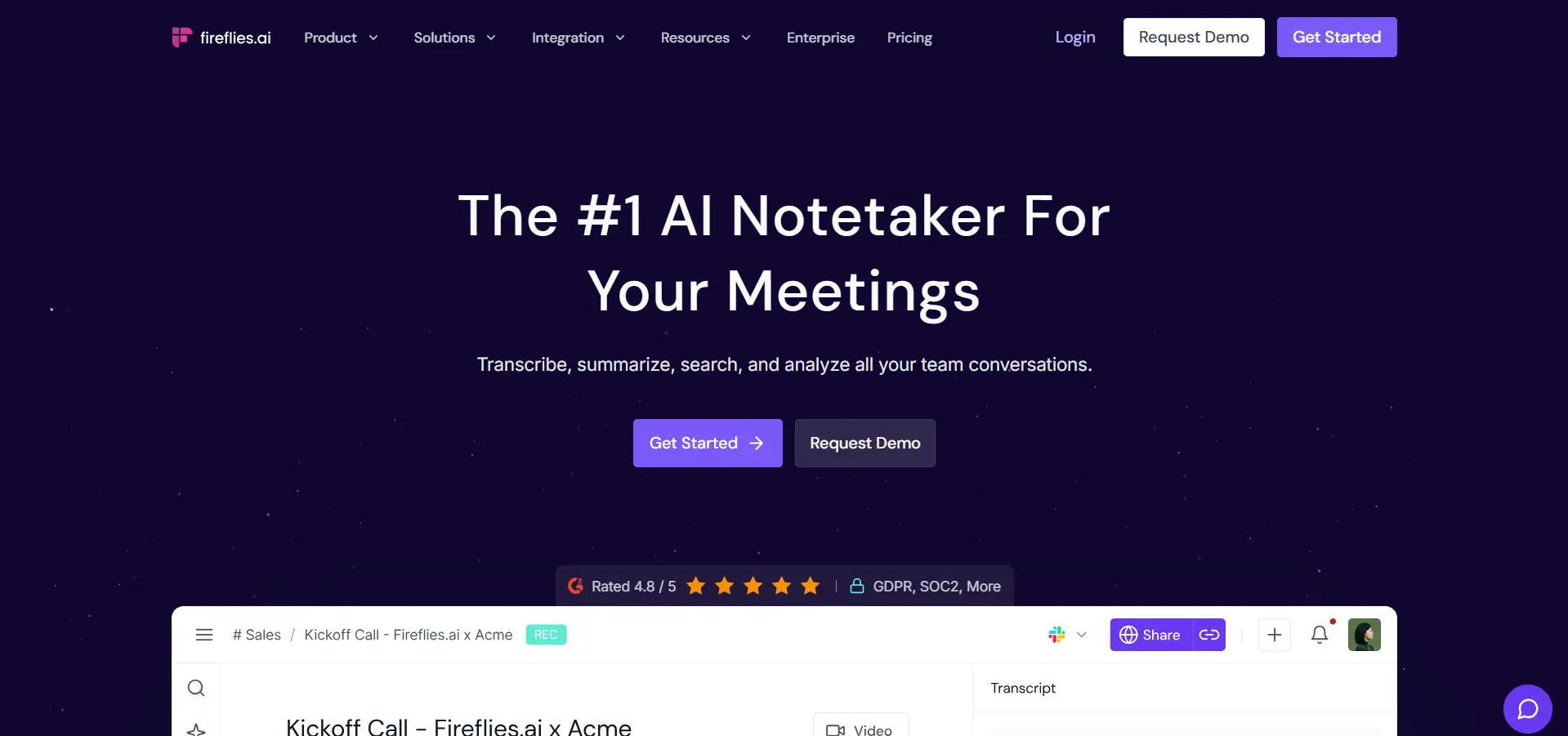
Fathom and Fireflies have become essential for capturing "Meeting Memory"—recording investor pitches, customer discovery calls, user interviews, and team meetings, then automatically syncing action items to Slack and CRM systems.
For startups conducting dozens of customer interviews or sales calls weekly, manual note-taking means either partial attention during conversations or hours spent transcribing afterward. These tools handle documentation automatically, allowing full presence during conversations while ensuring nothing gets lost.
The automatic action item extraction and CRM integration prevents the common startup failure mode where valuable customer feedback or sales commitments vanish into forgotten notes. Everything surfaces in the right systems for follow-up.
Jasper (Brand Voice Edition) : Consistent Brand Identity
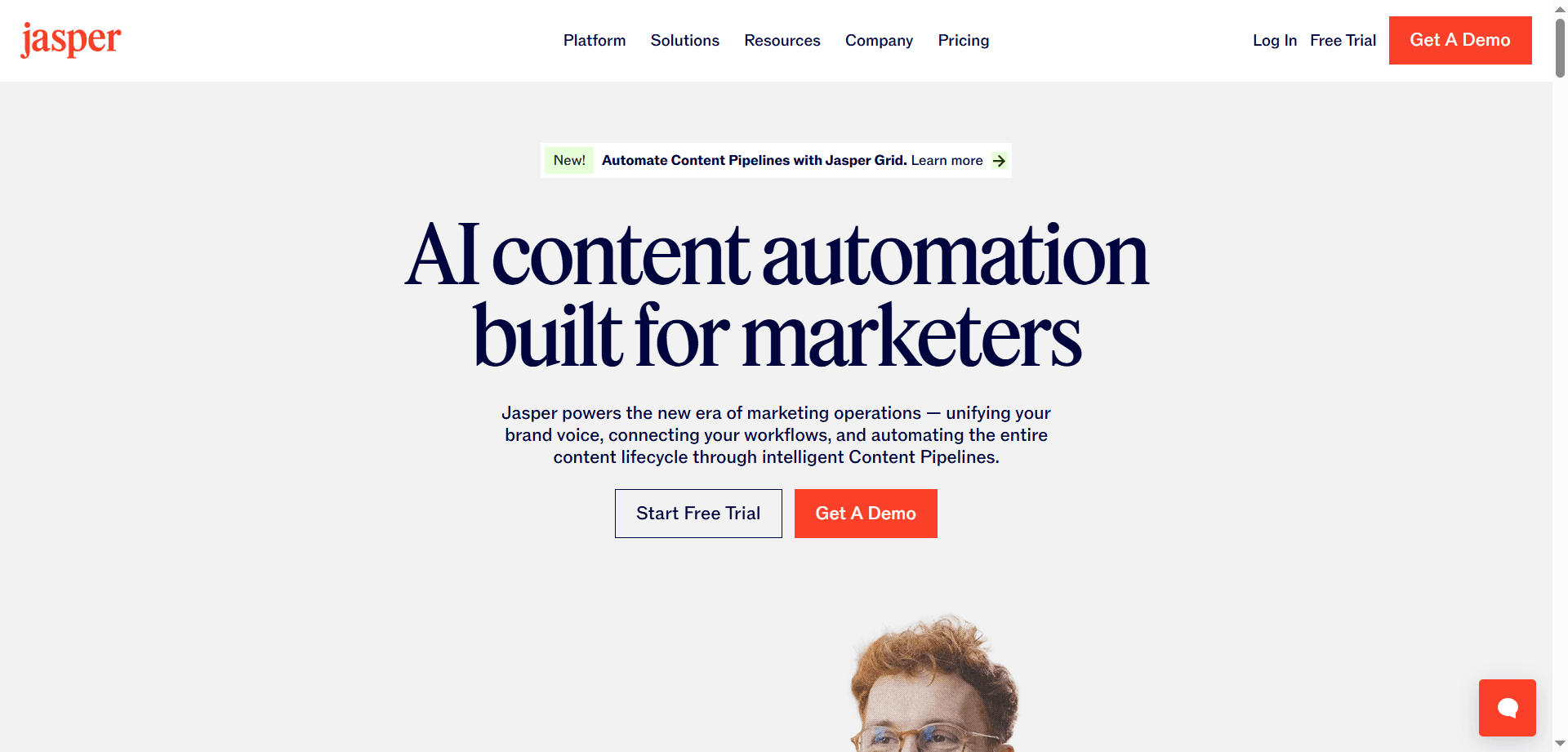
Jasper's Brand Voice Edition solves a critical challenge for early-stage startups: maintaining consistent brand voice across all marketing materials when you don't have a marketing team. The tool learns your brand voice, acting as a creative director that generates ad copy, blog content, and social posts that sound authentically like your company.
This consistency is crucial for building brand recognition with limited marketing resources. When every touchpoint sounds distinctly like your brand rather than generic marketing copy, you build recognition and trust faster with less content volume.
The system prevents the disjointed brand experience that happens when founders write some content, contractors write other pieces, and AI generates others without coordination. Everything maintains consistent voice, personality, and positioning.
For startups competing against established players with full marketing teams, Jasper enables punching above your weight class by maintaining the professionalism and consistency that builds credibility.
AdCreative.ai : High-Converting Ad Generation
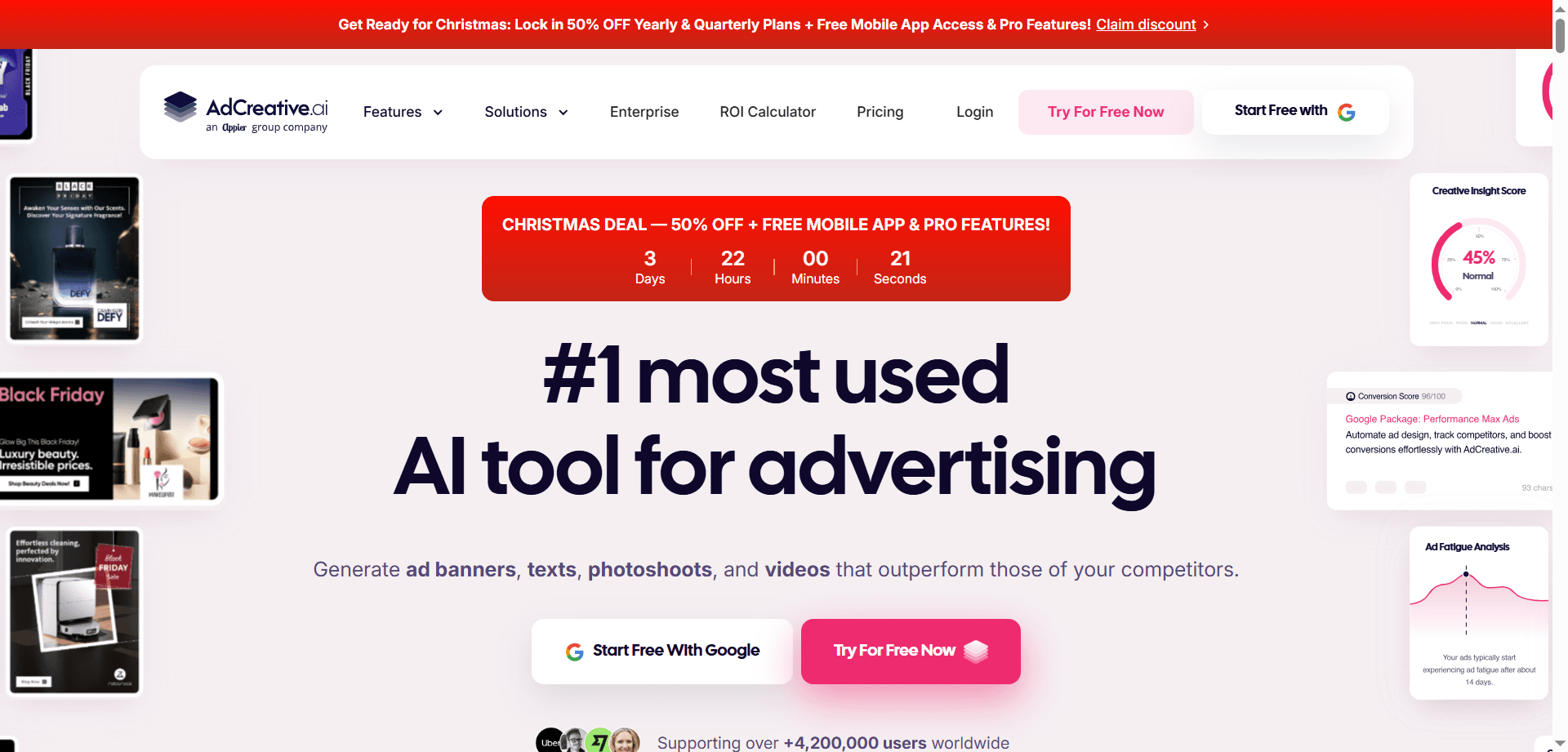
AdCreative.ai has become trending for its database of high-conversion advertisements that informs AI generation of ready-to-launch ad variants for Meta, TikTok, and Google. The tool predicts which designs will achieve highest click-through rates before you spend any money testing.
This predictive capability is valuable for startups with limited ad budgets. Instead of burning thousands learning what creative approaches work, you start with AI-generated variants statistically likely to perform well based on patterns from successful ads.
The tool generates complete ad packages—images, headlines, body copy, calls-to-action—adapted for each platform's specific requirements. You can launch comprehensive multi-platform campaigns in hours rather than weeks.
For founding teams without design or advertising expertise, AdCreative.ai provides the professional quality and strategic thinking that would otherwise require hiring experienced marketers or agencies.
Synthesia : Global Video Production at Scale
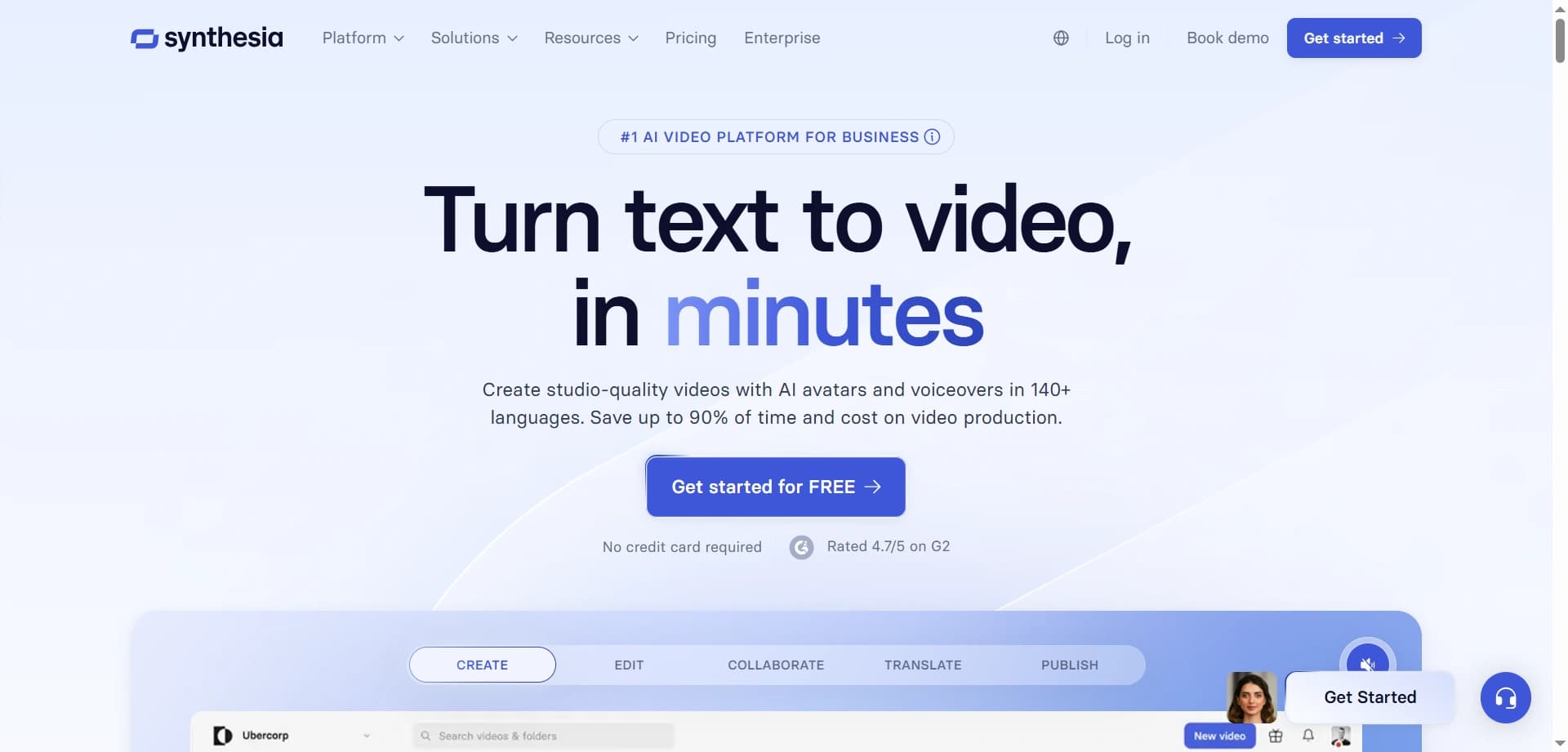
Synthesia has become the go-to solution for startups needing professional video content without production budgets. The platform creates product demos, onboarding videos, and marketing content in 140+ languages using AI avatars, eliminating studio costs, voice actors, and video production expertise requirements.
This capability enables global go-to-market strategies from day one. You can create localized product demos for every target market without the cost of filming separate versions or hiring translators and voice actors. This levels the playing field against established competitors with dedicated video production resources.
The professional quality of AI-generated videos has reached the point where most audiences don't notice they're AI-created. For product demonstrations, educational content, and marketing videos, Synthesia output is indistinguishable from traditional production at a fraction of the cost.
HubSpot Sales Hub (AI-Native) : Autonomous Pipeline Management
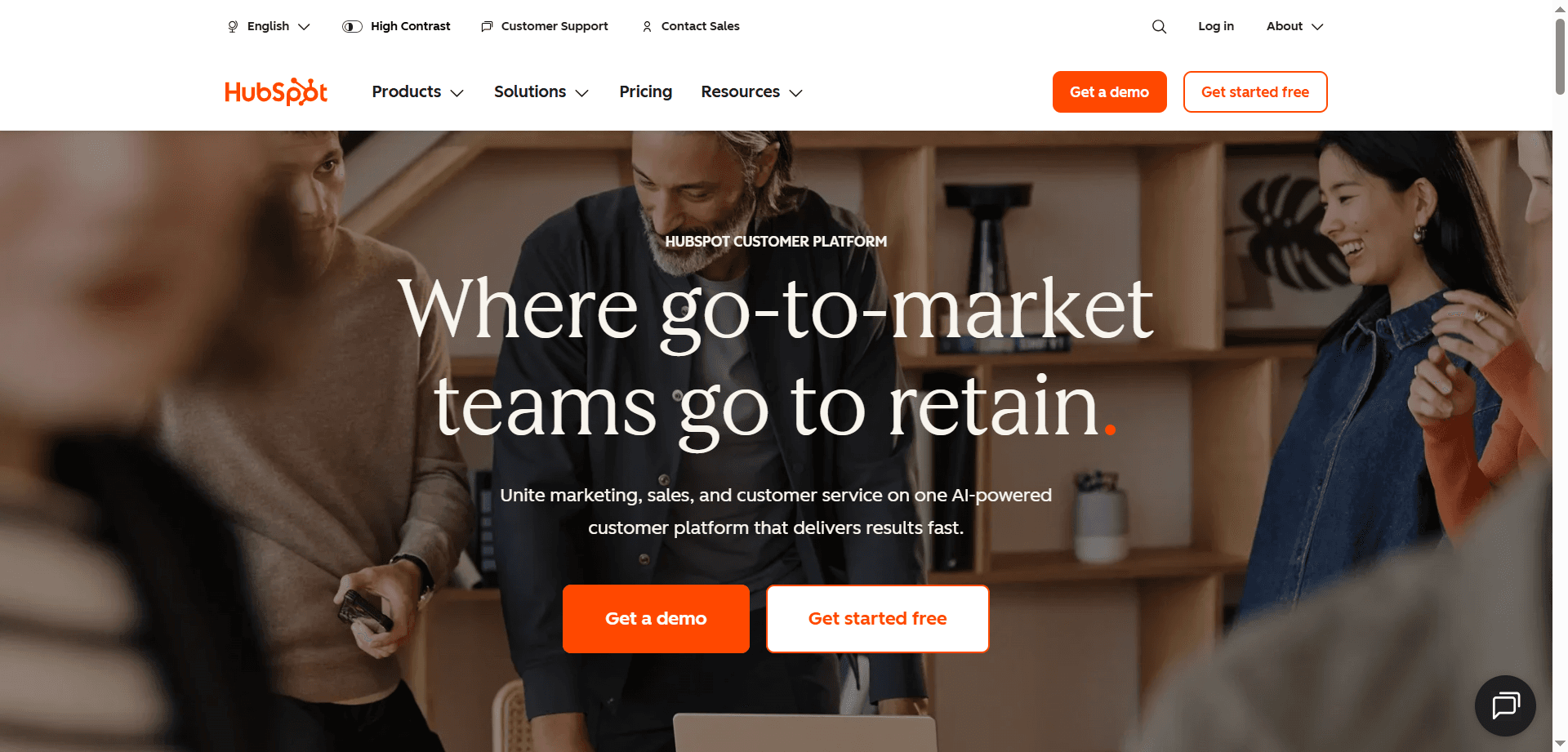
HubSpot's AI-Native Sales Hub features Lead Support Agents that proactively detect stalled deals, draft context-aware follow-up emails, and update pipeline data without manual entry. This automation allows small teams to manage sales processes that would traditionally require dedicated sales operations staff.
The proactive deal management is particularly valuable for founder-led sales at early stages. The AI monitors your pipeline, identifies deals requiring attention, and even drafts personalized follow-up messages based on conversation history and deal context. You maintain pipeline velocity without constant manual monitoring.
The automatic data entry eliminates the administrative burden that causes many founders to neglect CRM systems. When the system updates itself based on email conversations and meeting notes, you get pipeline visibility without the data entry overhead that traditionally makes CRM adoption painful.
Clay & Apollo : Hyper-Personalized Outreach at Scale
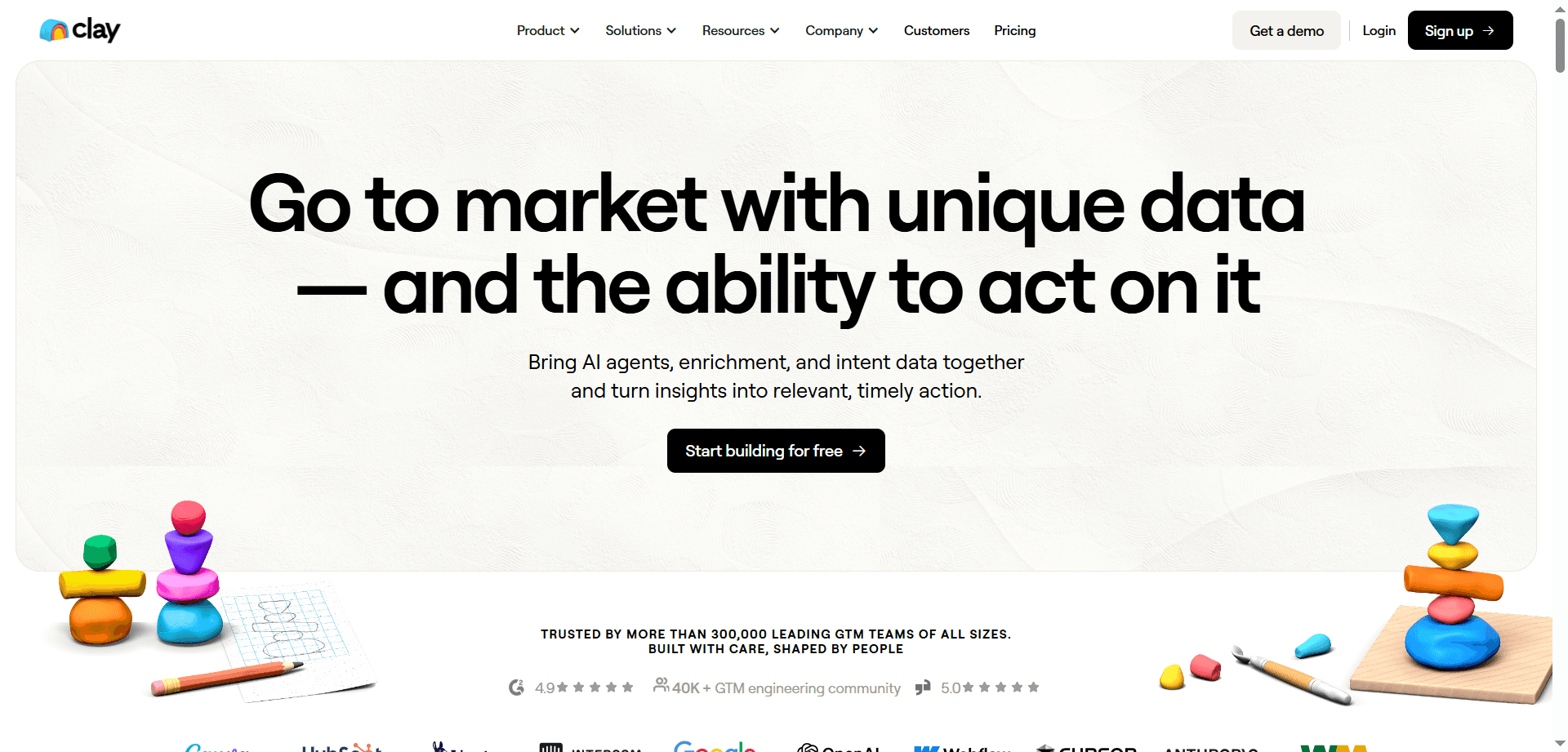
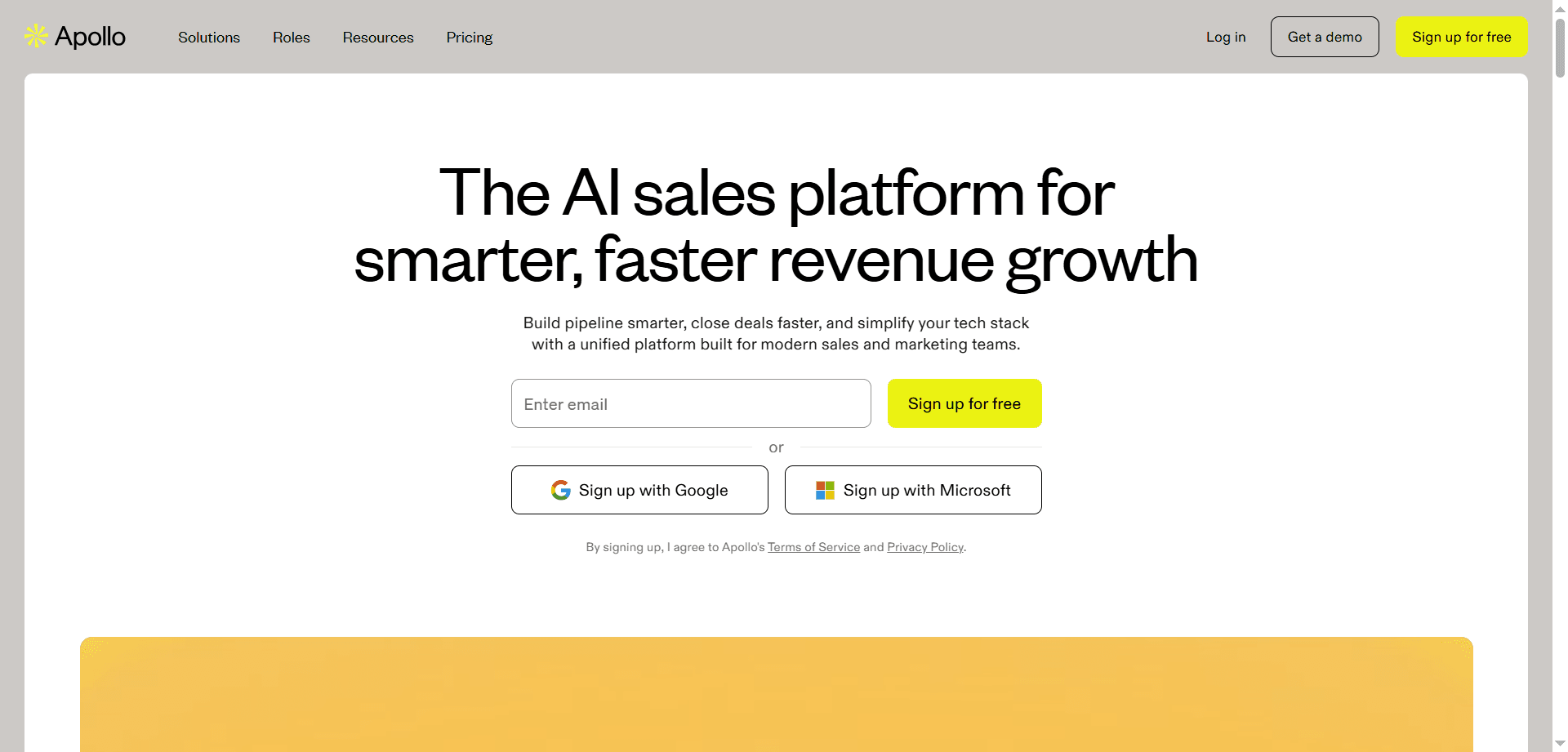
Clay and Apollo have become trending for enabling hyper-personalized prospecting at scale. These tools scrape the web for "trigger events"—like prospects getting promoted, companies announcing funding, or organizations launching new initiatives—then use AI to write custom outreach emails that feel genuinely personal rather than mass-generated.
This personalization enables effective cold outreach without large SDR teams. Instead of generic spray-and-pray campaigns, you reach prospects at moments when your solution is likely relevant with messages demonstrating genuine understanding of their specific situation.
The tools research each prospect individually—reviewing their LinkedIn, company news, industry context—and incorporate relevant details into outreach. This research-driven personalization achieves response rates far exceeding generic campaigns, making cold outreach viable for early-stage companies.
For B2B startups building initial customer bases, these tools enable systematic prospecting that scales without requiring hiring expensive sales development teams.
Synthflow AI : Voice AI for Sales
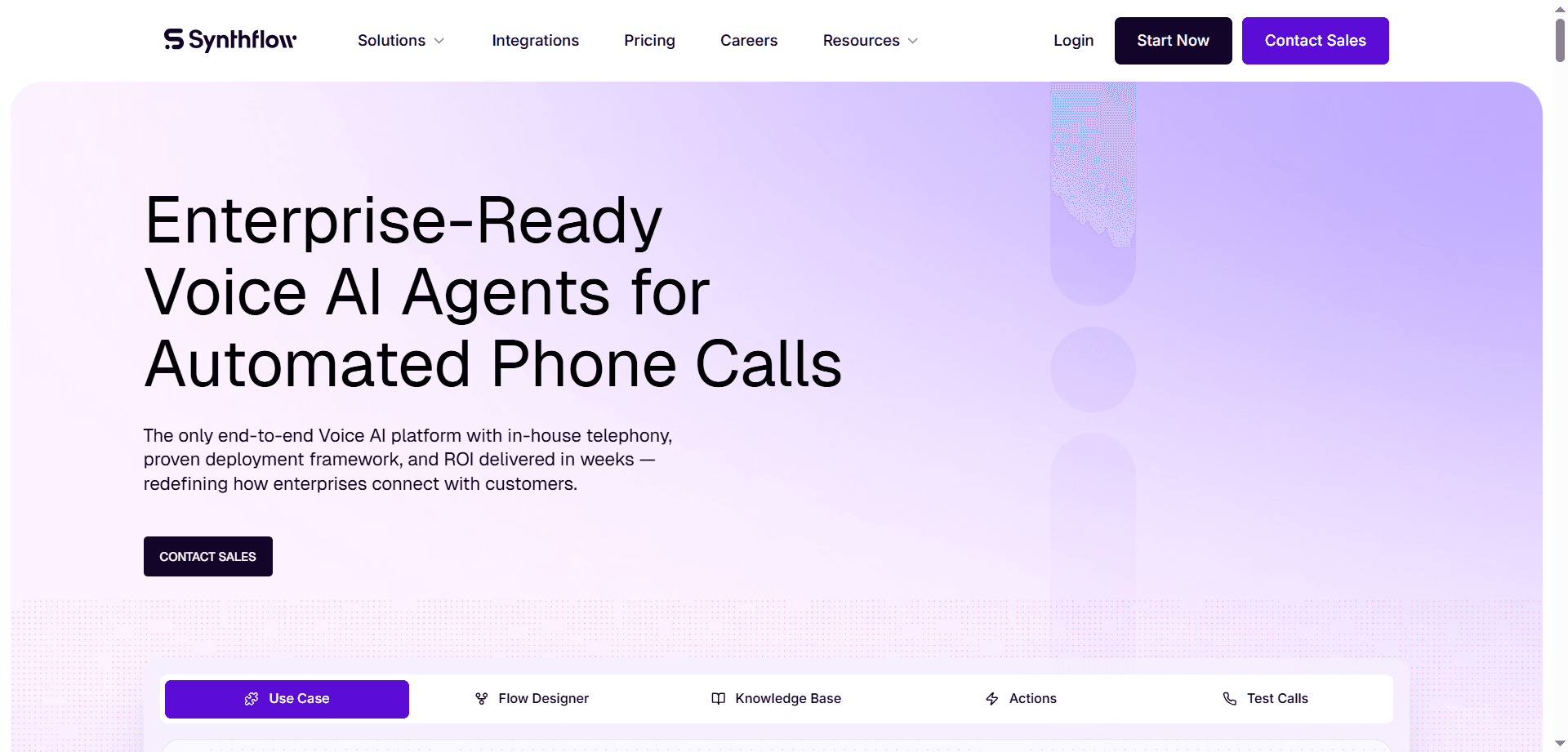
Synthflow AI enables startups to deploy human-like voice agents that handle inbound sales calls and outbound lead qualification 24/7. This capability ensures you never miss potential customers calling outside business hours and can qualify leads systematically without dedicating founder time to repetitive screening calls.
The voice quality has reached the point where most callers don't realize they're speaking with AI. The agents handle common questions, qualify leads based on your criteria, schedule meetings with appropriate team members, and escalate complex inquiries to humans.
This 24/7 availability is particularly valuable for startups targeting global markets across time zones. You capture leads from every geography without requiring round-the-clock human coverage.
Cursor : AI-Powered Development Environment
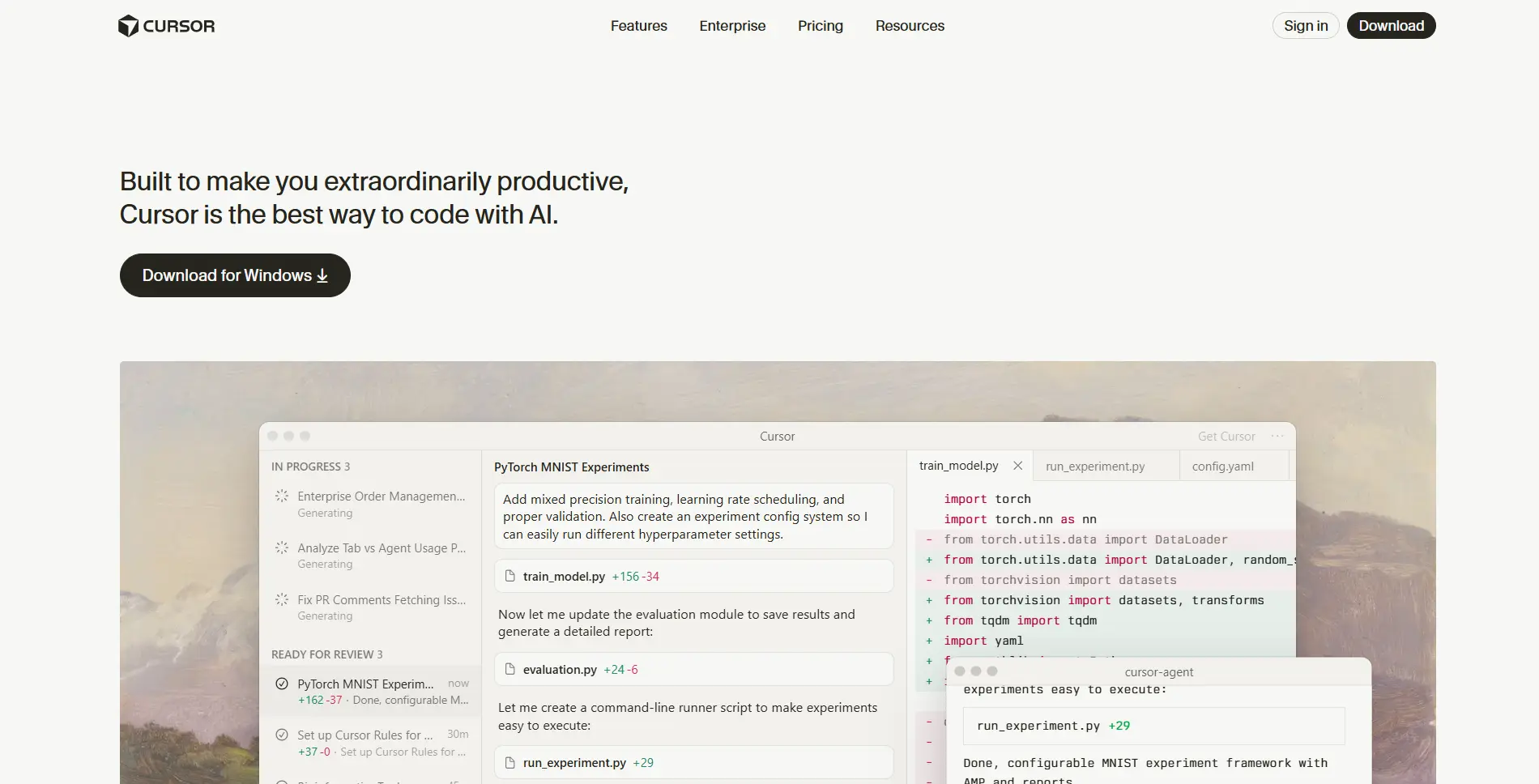
Cursor has emerged as the most trending IDE for 2026, enabling founders with limited coding knowledge to build complex features through natural language descriptions. The tool's "full-repo context" means it understands your entire codebase, making suggestions that integrate properly with existing code.
This capability dramatically changes what non-technical founders can accomplish without hiring developers. While you still need technical expertise for complex systems, Cursor enables building MVPs, prototypes, and straightforward features without a technical co-founder or development team.
For technical founders, Cursor multiplies productivity by handling routine implementation, allowing focus on architectural decisions and complex logic. Development velocity improves 3-5x compared to traditional coding, enabling small teams to ship features at speeds requiring larger engineering teams previously.
The full codebase understanding prevents the context errors that plague simpler AI coding assistants. Cursor suggests code that follows your patterns, uses your existing utilities, and integrates cleanly with your architecture.
Canva Magic Studio : Design Team for Non-Designers
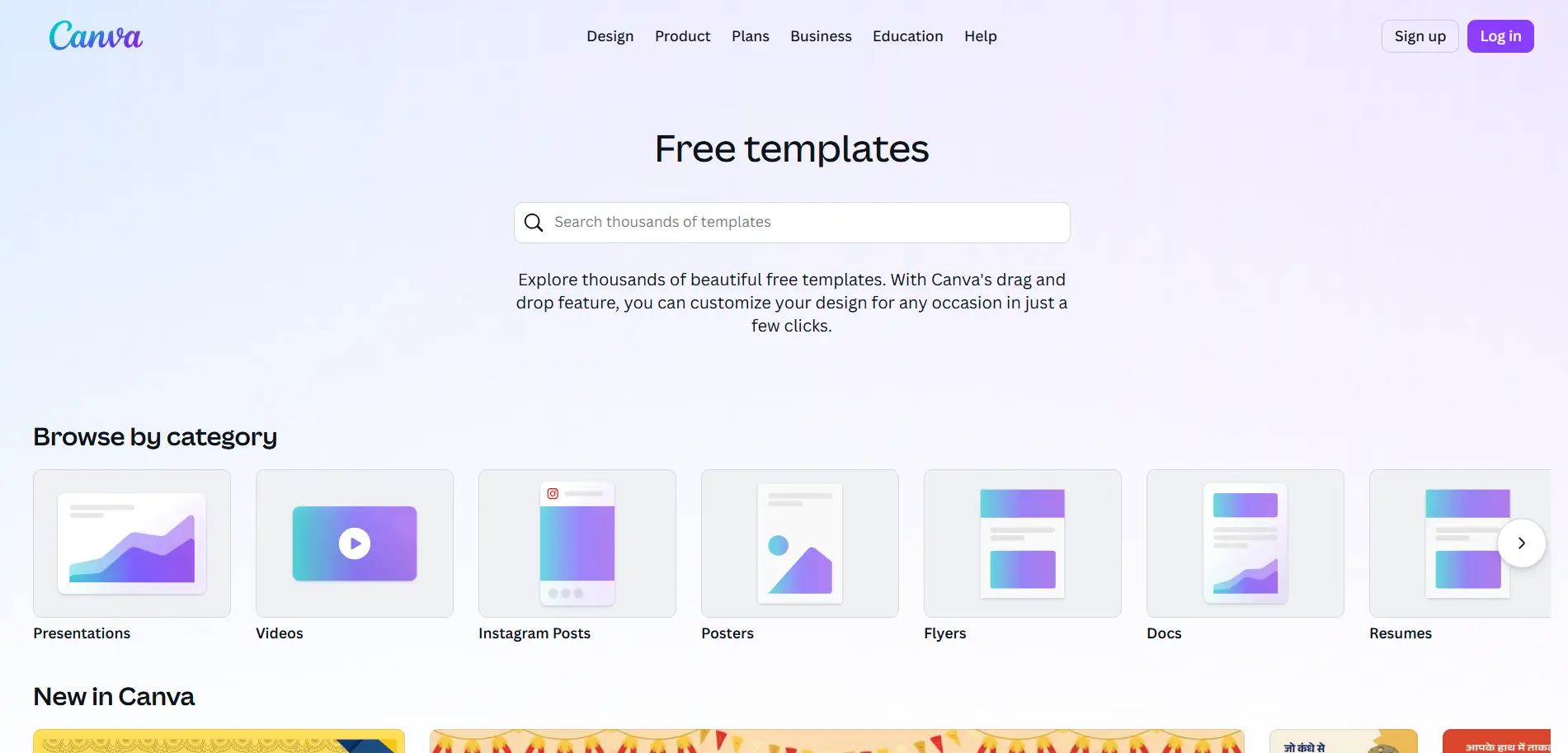
Canva Magic Studio serves as a complete design team for startups without design expertise. The tool instantly transforms text prompts into pitch decks, social media content suites, landing page mockups, and marketing materials with professional quality.
This capability eliminates the early-stage bottleneck where founders need design assets but can't afford dedicated designers. You can create professional presentations for investors, marketing materials for launches, and visual content for social media without design skills.
The template-based approach ensures designs follow established best practices even when you lack design intuition. You get professional results without the trial-and-error that produces amateur-looking materials when non-designers create from scratch.
Figma AI : Rapid UI/UX Prototyping
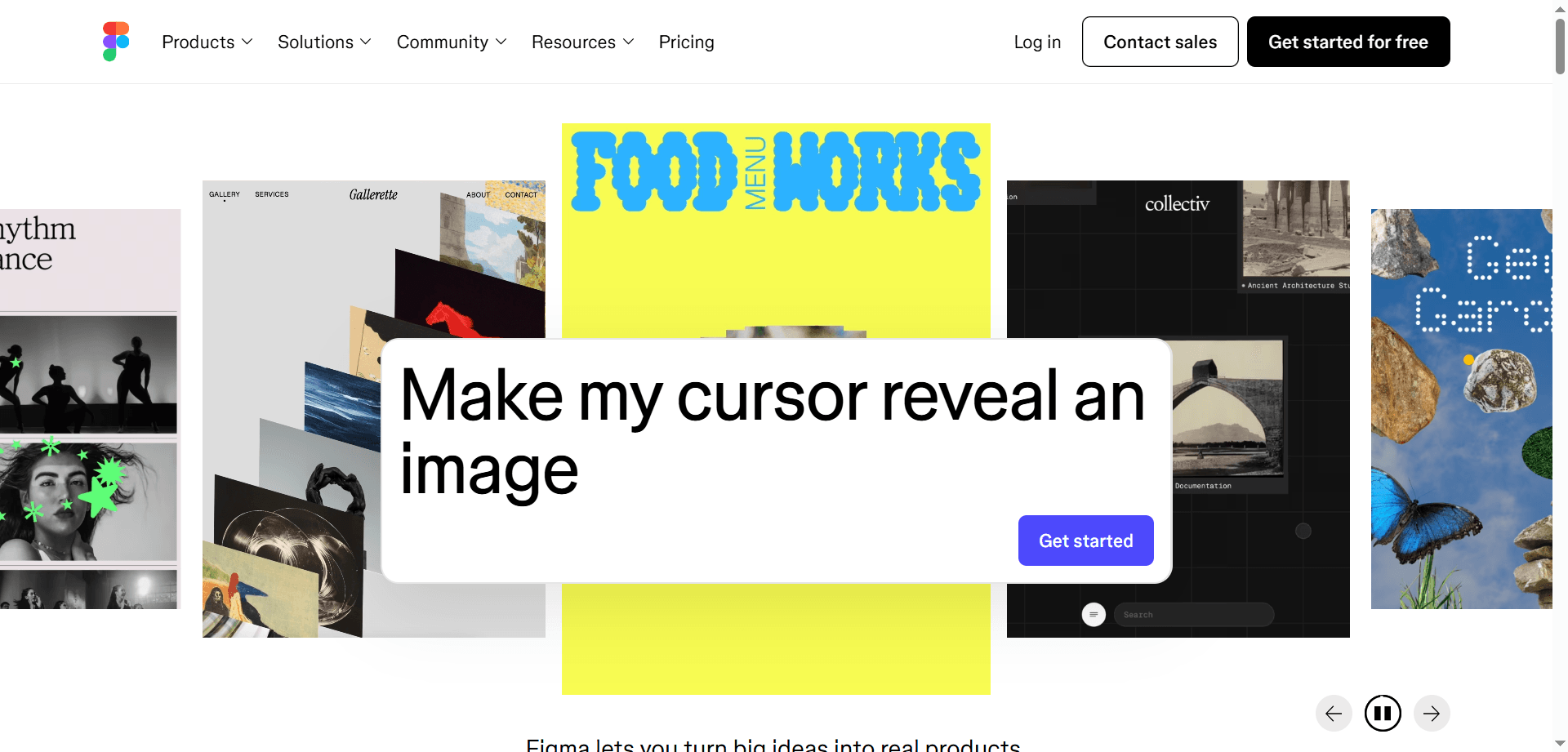
Figma AI has become essential for product teams by automating tedious aspects of UI/UX design—resizing components, generating realistic placeholder data, creating responsive variants—enabling prototyping at 10x traditional speed.
This automation allows small product teams to iterate rapidly, testing multiple design directions and gathering user feedback faster. You can create comprehensive prototypes in days that would traditionally require weeks, accelerating the iteration cycles that lead to product-market fit.
The tool handles the mechanical aspects of design implementation, allowing human designers (or design-minded founders) to focus on user experience strategy, interaction patterns, and design thinking rather than pixel-pushing.
Operations → Notion AI
Startup Advantage: Consolidates documents, tasks, meeting notes, and institutional knowledge into one queryable system. Replaces multiple tools and operations managers.
Sales → Clay
Startup Advantage: Personalizes thousands of outreach emails with unique, researched data points. Achieves SDR team output with automation.
Video Production → Synthesia
Startup Advantage: Produces global video content in 140+ languages without film crews, studios, or production expertise.
Product Development → Cursor
Startup Advantage: Allows single developers to ship features 5x faster through AI-assisted coding with full codebase context.
Marketing → Jasper + AdCreative.ai
Startup Advantage: Maintains consistent brand voice while generating high-converting ad creative across all platforms.
Customer Support → Synthflow AI
Startup Advantage: Handles inbound sales and lead qualification 24/7 without human staff coverage requirements.
Startup Advantage: Creates professional marketing materials and product prototypes without dedicated design team.
Successfully building an AI-native startup requires intentional architectural decisions from day one rather than bolting AI onto traditional structures.
Design processes assuming AI handles execution while humans provide direction and judgment. Don't replicate traditional workflows with AI assistance—create new workflows optimized for AI capabilities.
Choose tools that integrate well, avoiding redundant capabilities across platforms. Every tool should serve distinct purposes within your stack with clear data flow between systems.
Clearly define what humans do versus what AI handles. Generally, humans handle strategy, judgment calls, relationship building, and creative direction while AI handles research, execution, documentation, and routine optimization.
Invest heavily in documentation and knowledge management from the beginning. AI tools become more effective as your knowledge base grows, creating compounding returns on early documentation investment.
Schedule quarterly reviews of your AI stack. Tools improve rapidly—capabilities available today weren't possible six months ago. Stay current with improvements and adjust your stack accordingly.
The most capital-efficient AI-native startups are built around a three-person founding team with complementary skills, each orchestrating AI tools in their domain:
Oversees product development using Cursor for 5x development velocity. Handles architecture, complex features, and system design while AI handles routine implementation. One technical founder can accomplish what required 5-10 engineers in traditional startups.
Manages sales, operations, and customer success using Clay for personalized outreach, HubSpot for pipeline management, Synthflow for voice AI, and Notion for operations. Achieves the output of a sales team, operations manager, and customer success manager combined.
Handles brand, marketing, and design using Jasper for content, AdCreative.ai for advertising, Synthesia for video, and Canva/Figma for design. Accomplishes what required a creative team, performance marketer, and content marketing manager.
This three-person model can realistically achieve $1M-$3M ARR before needing additional hires, maintaining 80%+ gross margins with minimal burn rate. The capital efficiency enables bootstrapping to profitability or raising smaller seed rounds that preserve founder equity.
AI-native operations fundamentally change startup economics, creating unprecedented capital efficiency:
Traditional startups might burn $100K+ monthly with a team of 8-10. AI-native startups with 3-5 people can operate on $30K-50K monthly burn, extending runway 3-4x with the same capital.
AI-assisted development allows testing product hypotheses faster, finding product-market fit in months rather than years. This speed reduces total capital required to reach meaningful revenue.
With 80%+ gross margins and minimal fixed costs, AI-native startups can reach profitability at $50K-100K MRR rather than requiring $1M+ MRR to cover large team costs.
Needing less capital means less dilution. Founders reaching profitability after raising only a seed round retain 70-80%+ equity versus 30-40% for founders who raised multiple large rounds building traditional teams.
Small teams with low burn can pivot quickly when needed. Large teams create organizational inertia and financial pressure that makes pivoting difficult.
The critical question for AI-native startups is when and how to scale beyond the founding team. The answer is: later than traditional startups, and more selectively.
Consider hiring only after reaching specific revenue milestones—perhaps $1M ARR for first hire beyond founders, $3M ARR for growing to 10 people. This ensures hiring happens when you can afford it from revenue rather than burning investor capital.
Hire for roles where human judgment, creativity, or relationships matter most—enterprise sales to Fortune 500 accounts, complex customer success, strategic partnerships. Continue using AI for scalable execution roles.
Often, the right answer to scaling challenges is better AI tools or configurations rather than hiring. Before adding headcount, thoroughly explore whether AI tools can solve the problem.
For specialized needs, engage fractional executives or consultants rather than full-time hires. AI tools make fractional arrangements more effective by maintaining continuity through documentation and automation.
When you do hire, hire exceptional people. One excellent person with AI tools accomplishes more than three average people without good tooling.
Startups transitioning to AI-native operations encounter predictable challenges. Avoiding these pitfalls accelerates success:
Adopting too many AI tools creates complexity and integration nightmares. Start with core needs, integrate thoroughly, then expand gradually. Five well-integrated tools beat fifteen disconnected ones.
AI tools require learning and configuration. Budget time for properly understanding capabilities and optimizing settings. Poor configuration produces mediocre results that cause teams to abandon valuable tools.
Automating bad processes just makes them fail faster. Ensure processes are sound before automating them. Use AI to execute good strategy, not to compensate for strategic confusion.
Some interactions still require human presence—complex sales, sensitive customer issues, strategic partnerships. Don't automate everything just because you can. Maintain human involvement where it creates genuine value.
AI tools make mistakes. Maintain human oversight for important outputs, especially customer-facing content and strategic decisions. Trust but verify.
Investor perceptions of AI-native startups are evolving rapidly, changing fundraising dynamics:
Investors increasingly view lean operations as competitive advantage rather than concerning under-resourcing. Demonstrate that small team plus AI tooling accomplishes more than traditional teams.
With low-cost operations, your unit economics are inherently better. Emphasize gross margins, payback periods, and path to profitability that wouldn't be possible with traditional cost structures.
Show how far you've come on minimal capital. If you've reached $500K ARR with three people on $300K raised, that efficiency is more impressive than $5M ARR on $10M raised.
Be prepared to explain how you'll scale without proportional headcount growth. Investors conditioned on traditional scaling models may struggle with AI-native approaches.
Clearly explain your AI tooling stack and how it multiplies team capacity. Help investors understand you're not just "small and scrappy" but architecturally efficient.
The trajectory of AI-native startup building points toward even more capital-efficient company creation:
Tools are rapidly approaching the point where exceptional solo founders can build venture-scale companies alone, at least through early stages. The "need a co-founder" advice may become outdated.
From idea to first customer is compressing from years to months or even weeks. AI tools handle implementation work that created long delays, allowing rapid experimentation.
When you can test business ideas with minimal capital and fast iteration, failure becomes less catastrophic. This enables more experimentation and higher-risk innovation.
As AI tools handle specialized skills, building companies becomes accessible to more people. You don't need technical co-founders, marketing expertise, or design skills to build professional products.
Competition shifts from "who can build the biggest team" to "who can architect the best AI-augmented operations." Strategic thinking and tool orchestration become primary competitive advantages.
The startups winning in 2026 and beyond won't necessarily be those with the most funding, largest teams, or best pedigrees. They'll be those that most effectively combine human creativity, judgment, and strategy with AI execution capability to build capital-efficient, fast-moving organizations that achieve profitability faster and retain more value for founders.
The AI-native startup model isn't about building smaller companies with lower ambitions. It's about building venture-scale companies more efficiently, reaching profitability faster, and maintaining founder control longer. The goal is enabling founders to build the companies they envision without surrendering equity and control to fund large teams doing work AI can handle.
The future of startup building belongs to those who embrace AI not as an optional efficiency tool but as foundational architecture enabling fundamentally different—and better—ways to build companies. The three-person team building a $10M ARR business isn't an edge case anymore—it's the emerging template for how successful startups are built.
Discover the essential AI tools dominating 2026 that will transform your productivity. From ChatGPT to Cursor, learn which tools will help you work faster and smarter.

Discover the top AI tools revolutionizing content creation in 2026. From video editing to social media management, learn which tools will transform your creative workflow.

Discover how modern professionals are transforming from manual app-switching to AI-powered integrated orchestration. Learn the tools and strategies that eliminate workflow friction and multiply daily productivity.

Discover how the software development landscape has transformed from AI-assisted coding to Agentic Engineering. Learn about the best AI tools developers use in 2026 to manage fleets of AI agents for autonomous development.