
AI Tools You Can't Ignore in 2026 If You Want to Work Faster
Discover the essential AI tools dominating 2026 that will transform your productivity. From ChatGPT to Cursor, learn which tools will help you work faster and smarter.

In 2026, time management has evolved far beyond simple to-do lists and calendar reminders. The defining trend is Dynamic Scheduling—AI systems that don't merely remind you of tasks but actively construct your day, protect your focus time, autonomously negotiate meeting schedules, and continuously adapt to changing priorities and circumstances.
This transformation means you no longer spend mental energy planning your day, manually rescheduling when priorities shift, or playing email ping-pong to find meeting times. AI agents handle these tactical time management tasks, freeing your cognitive resources for the actual work you need to accomplish. The result is less time managing time and more time doing meaningful work.
The most productive people in 2026 aren't those with the best personal discipline—they're those who most effectively configure AI agents to manage their time.
The journey from static to-do lists to dynamic AI scheduling represents a fundamental rethinking of how humans organize their time. Traditional time management required constant manual planning, replanning when circumstances changed, and disciplined adherence to predetermined schedules that rarely survived contact with reality.
Dynamic scheduling acknowledges that modern work is inherently unpredictable. Priorities shift, meetings run long, unexpected tasks emerge, and energy levels fluctuate. AI systems adapted to this reality by building schedules that automatically adjust to changes while ensuring important work still gets done.
This shift transforms time management from a discipline requiring constant effort into a system that maintains itself. Instead of spending twenty minutes each morning planning your day and another twenty replanning when things inevitably change, the AI handles continuous optimization while you focus on execution.
The most productive people in 2026 aren't those with the best personal discipline or most sophisticated manual planning systems. They're those who most effectively configure AI agents to manage their time according to their priorities, work patterns, and energy rhythms.
Motion : The Happiness Engine
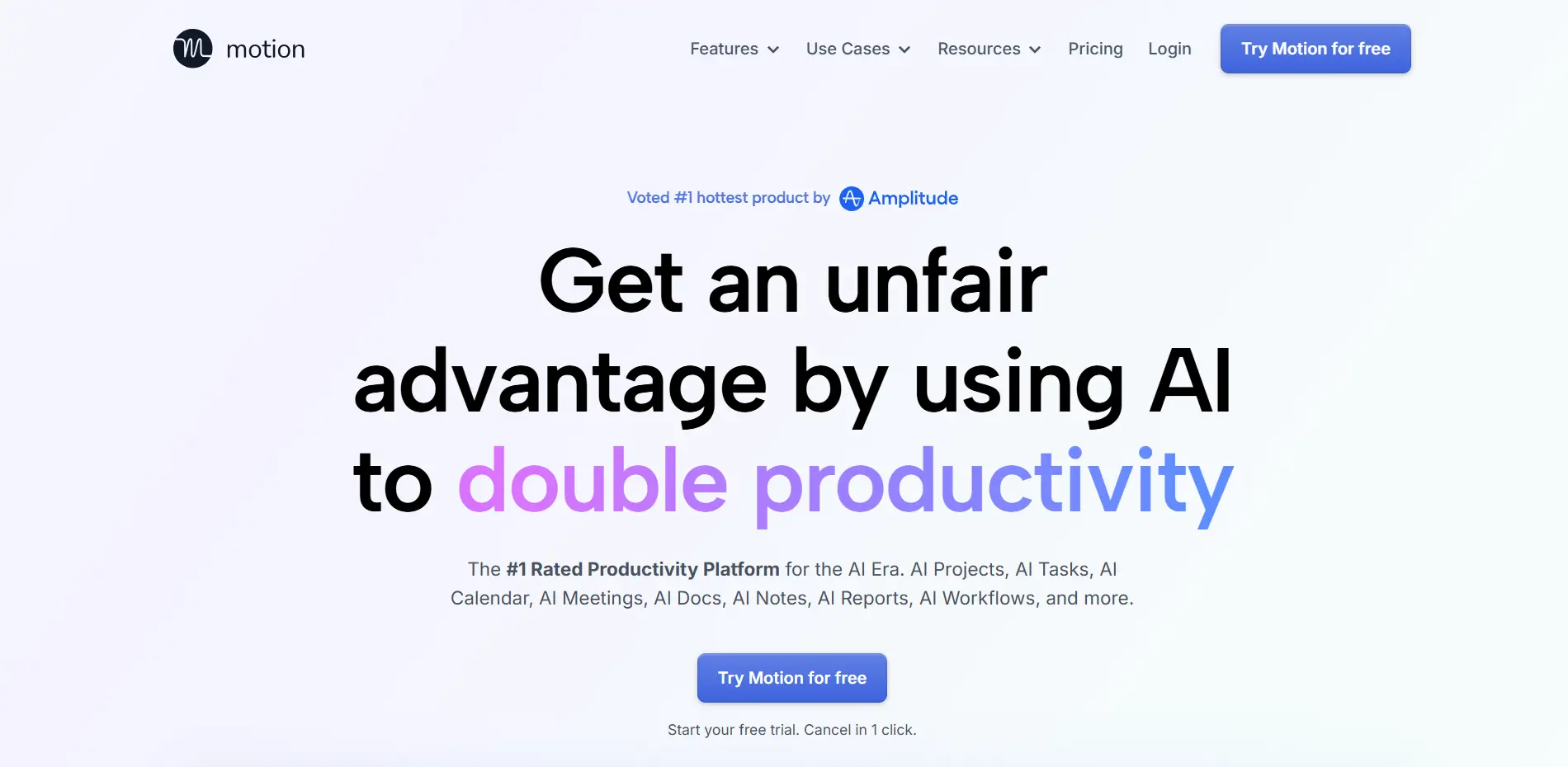
Motion has established itself as the gold standard for AI-powered time management through its sophisticated "Happiness Engine" that automatically constructs optimal daily schedules. The system doesn't just list your tasks—it determines when each should be done based on deadlines, priorities, estimated duration, and your personal productivity patterns.
What makes Motion transformative is its dynamic adjustment capability. When a meeting runs over or an urgent task appears, Motion instantly reshuffles your entire schedule to accommodate the change while ensuring deadline-critical work still gets completed. You never face the decision paralysis of figuring out what to do next or how to fit everything in after disruptions.
The system learns your work patterns over time, understanding which tasks you tend to procrastinate on, when you do your best creative work, and how long different types of tasks actually take you. This learning allows increasingly accurate scheduling that matches your natural rhythms rather than fighting against them.
For professionals juggling multiple projects with competing deadlines, Motion provides the organizational structure that prevents important work from falling through the cracks while maintaining a sustainable pace. You trust the schedule because the AI ensures it's actually achievable given your available time and energy.
Reclaim.ai : Protecting What Matters
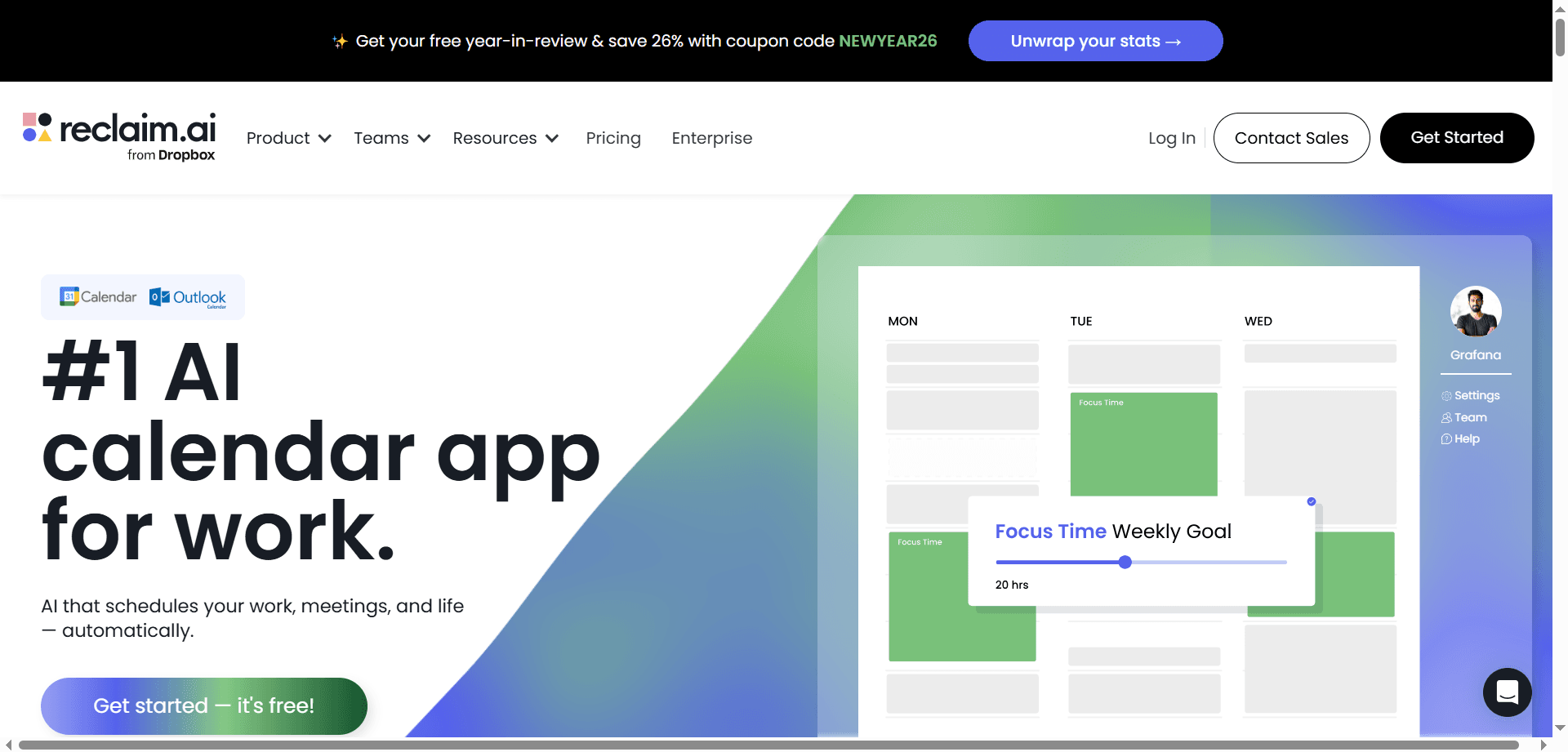
Reclaim.ai has become essential for people struggling to maintain work-life balance in always-on work cultures. The platform uses AI to protect "Habits" like exercise, lunch breaks, and personal time, treating these commitments as non-negotiable rather than optional activities that get deleted when work demands increase.
When someone tries to schedule a meeting during your protected lunch time, Reclaim automatically moves your lunch to another available slot rather than allowing it to disappear. Your gym session shifts to accommodate urgent meetings but never gets deleted entirely. This ensures personal routines that maintain your health and wellbeing persist even during busy periods.
The system understands the difference between flexible habits that can move and truly fixed commitments that cannot. It optimizes your schedule to maximize both productivity and personal wellbeing, recognizing that sustainable performance requires protecting recovery time.
For remote workers whose home and office occupy the same space, Reclaim provides the boundaries that previously existed naturally through commutes and physical office spaces. It ensures work expands to fill available time without consuming time needed for rest, relationships, and personal maintenance.
Akiflow : Unified Task Command Center
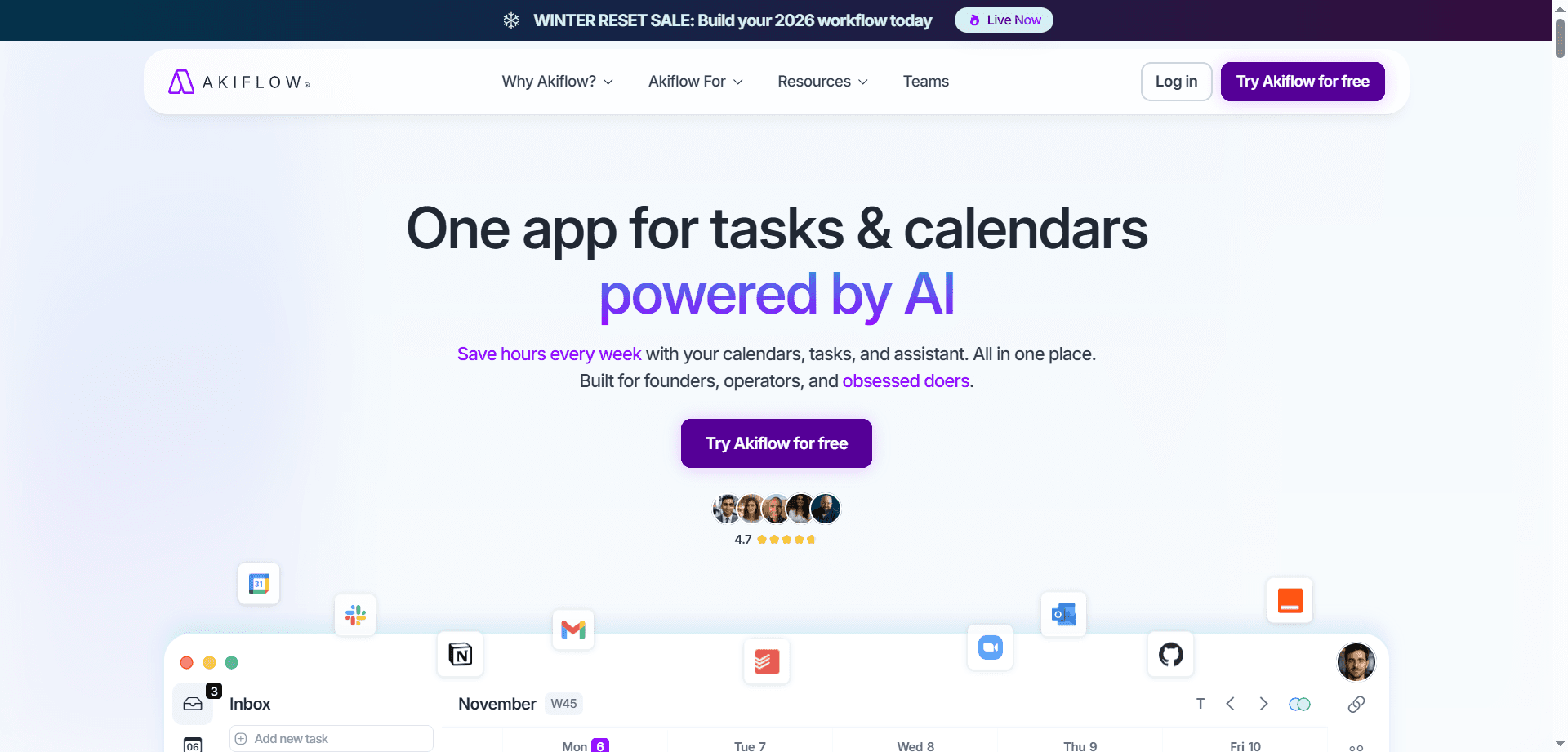
Akiflow has gained traction as a centralized "command center" that aggregates tasks from email, Slack, project management tools like Asana, and other sources into a single unified view. The 2026 AI assistant, Aki, uses natural language processing to help you time-block your entire week in seconds rather than spending an hour manually scheduling tasks.
You can simply tell Aki "block three hours for the client presentation this week" and it will find optimal time slots based on your existing commitments, energy patterns, and the task's deadline. This natural language interaction makes time blocking effortless compared to manual calendar manipulation.
The unified view solves a major productivity drain—switching between multiple tools to see all your commitments. When tasks exist in email, Slack messages, project management systems, and handwritten notes, nothing provides complete visibility. Akiflow aggregates everything, ensuring you're working from a complete picture of your obligations.
For people managing work across multiple platforms and communication channels, Akiflow eliminates the cognitive overhead of maintaining awareness of everything demanding your attention. You see everything, prioritize effectively, and time-block efficiently through AI assistance.
Lindy : Your AI Meeting Negotiator
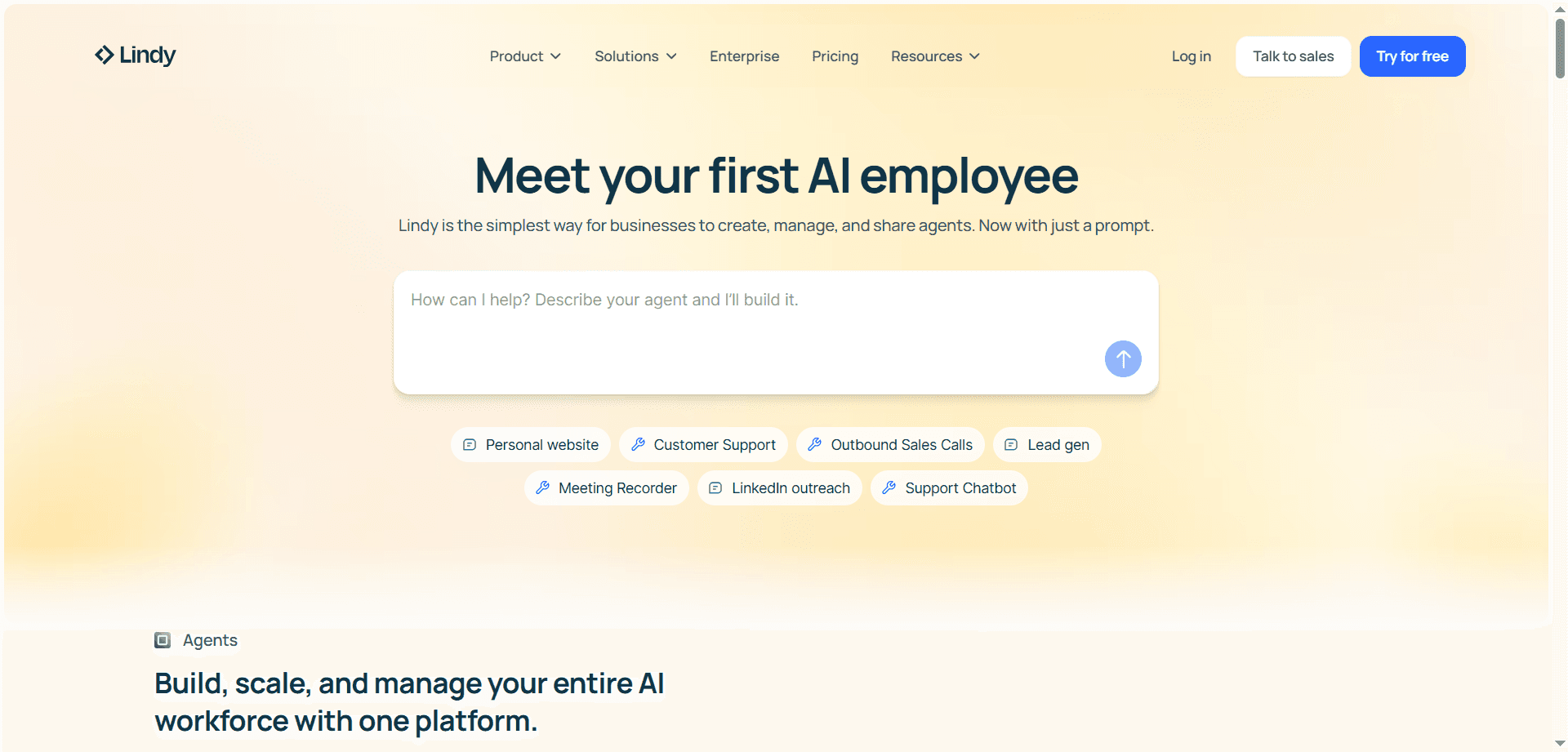
Lindy has gone viral for its autonomous email management, particularly its ability to handle meeting scheduling completely independently. When someone requests a meeting via email, Lindy accesses your calendar, proposes appropriate times based on your availability and preferences, negotiates via email if the proposed times don't work for the other party, and confirms the final meeting—all without you ever seeing the email thread.
This automation eliminates the tedious back-and-forth that typically requires multiple messages to schedule a single meeting. You simply wake up to confirmed meetings on your calendar at times the AI determined were optimal based on your existing commitments and scheduling preferences.
Lindy learns your meeting preferences over time, understanding that you prefer morning meetings with clients but afternoon meetings with internal teams, that you need buffer time before presentations, and that you avoid scheduling on Friday afternoons. This personalization ensures automated scheduling respects your actual preferences rather than just filling available slots.
For professionals spending significant time coordinating meetings, Lindy reclaims hours weekly while ensuring meetings happen at times that work well for your energy and schedule. The mental relief of never playing scheduling ping-pong is as valuable as the time saved.
Clockwise : Team-Level Schedule Optimization
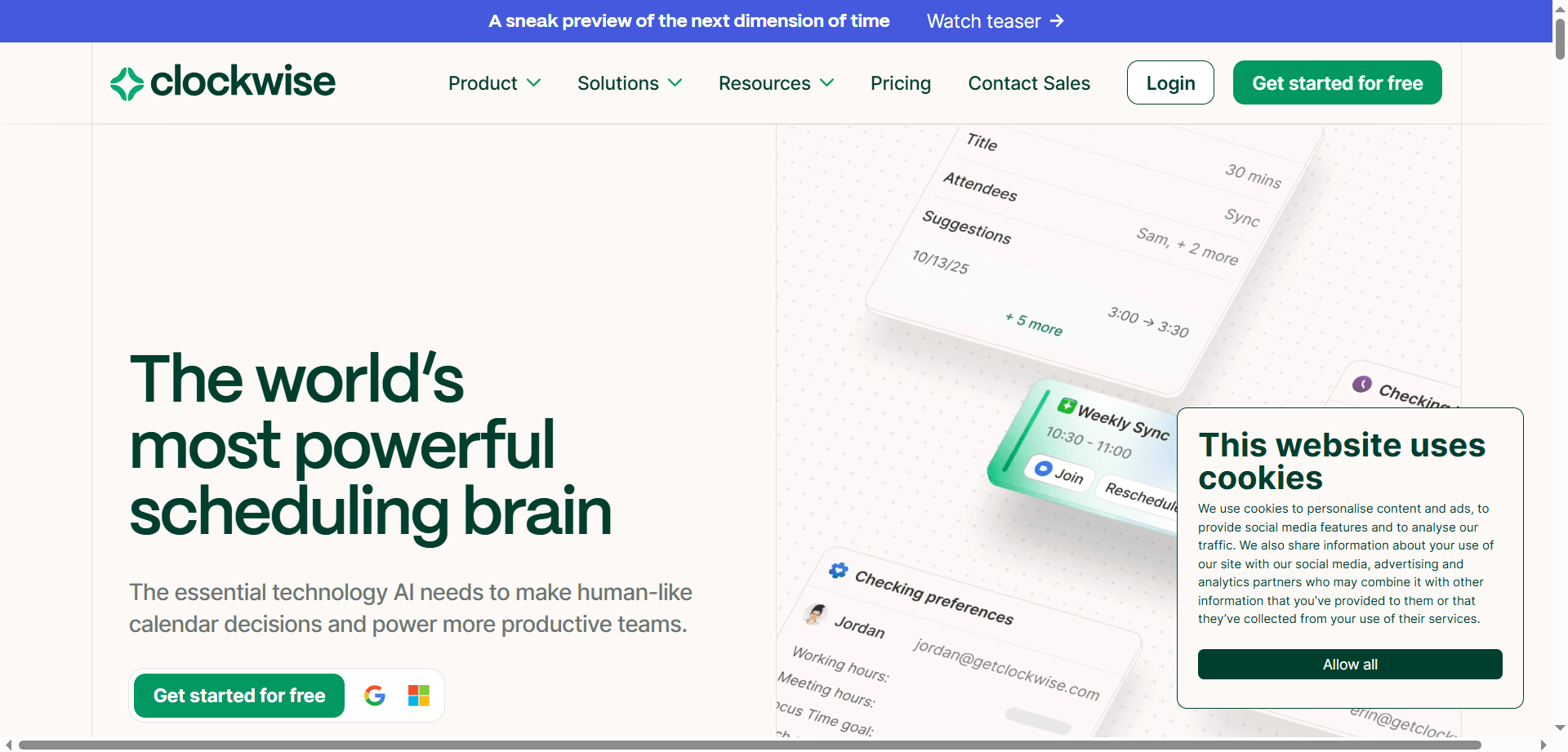
Clockwise takes a different approach by optimizing schedules at the team or department level rather than just individually. The system analyzes calendars across entire teams to move meetings to times that create large, synchronized blocks of "Focus Time" for everyone simultaneously.
This coordination solves a persistent problem in collaborative work environments. Even if you protect your personal focus time, you're still interrupted by Slack messages from colleagues who are in meetings during your focus blocks. Clockwise ensures everyone has uninterrupted focus time together, dramatically reducing the fragmentation that destroys deep work.
The AI balances many constraints—meeting priorities, participant availability across time zones, individual preferences, and the goal of maximizing collective focus time. It finds schedule arrangements that would be impossible for humans to coordinate manually across dozens of people.
For teams struggling with constant interruptions and fragmented schedules, Clockwise creates the conditions necessary for deep work while ensuring collaboration still happens at appropriate times. The result is higher-quality work accomplished in less total time.
Calendly AI : Intelligent Meeting Lifecycle Management
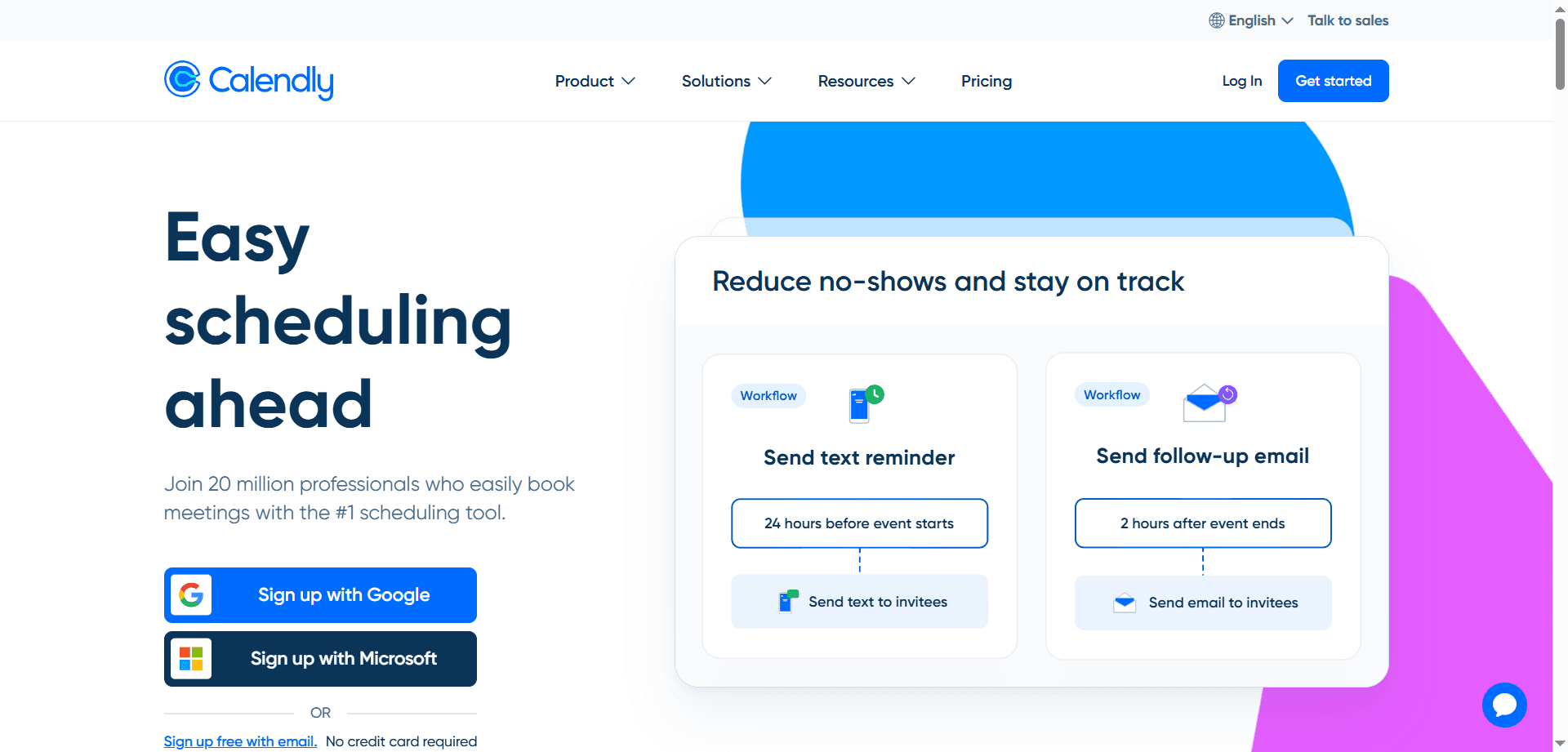
Calendly has evolved far beyond simple availability sharing. The 2026 version features Smart Reminders and "Meeting Lifecycle Management" that uses AI to predict no-shows based on patterns like booking behavior, response times, and meeting type. When the system predicts a no-show is likely, it proactively sends strategic reminders or suggests alternative times.
If a meeting is missed, Calendly AI automatically proposes rescheduling options to both parties, handling the coordination that would otherwise require multiple emails. This ensures meetings that fall through due to scheduling conflicts or forgetfulness get rescheduled quickly rather than languishing in limbo.
The system also optimizes meeting timing based on conversion data. If you're using Calendly for sales calls, the AI learns which time slots lead to highest conversion rates and prioritizes offering those times to high-value prospects. This data-driven scheduling optimization improves meeting outcomes beyond just coordination efficiency.
Rize : AI Productivity Coach
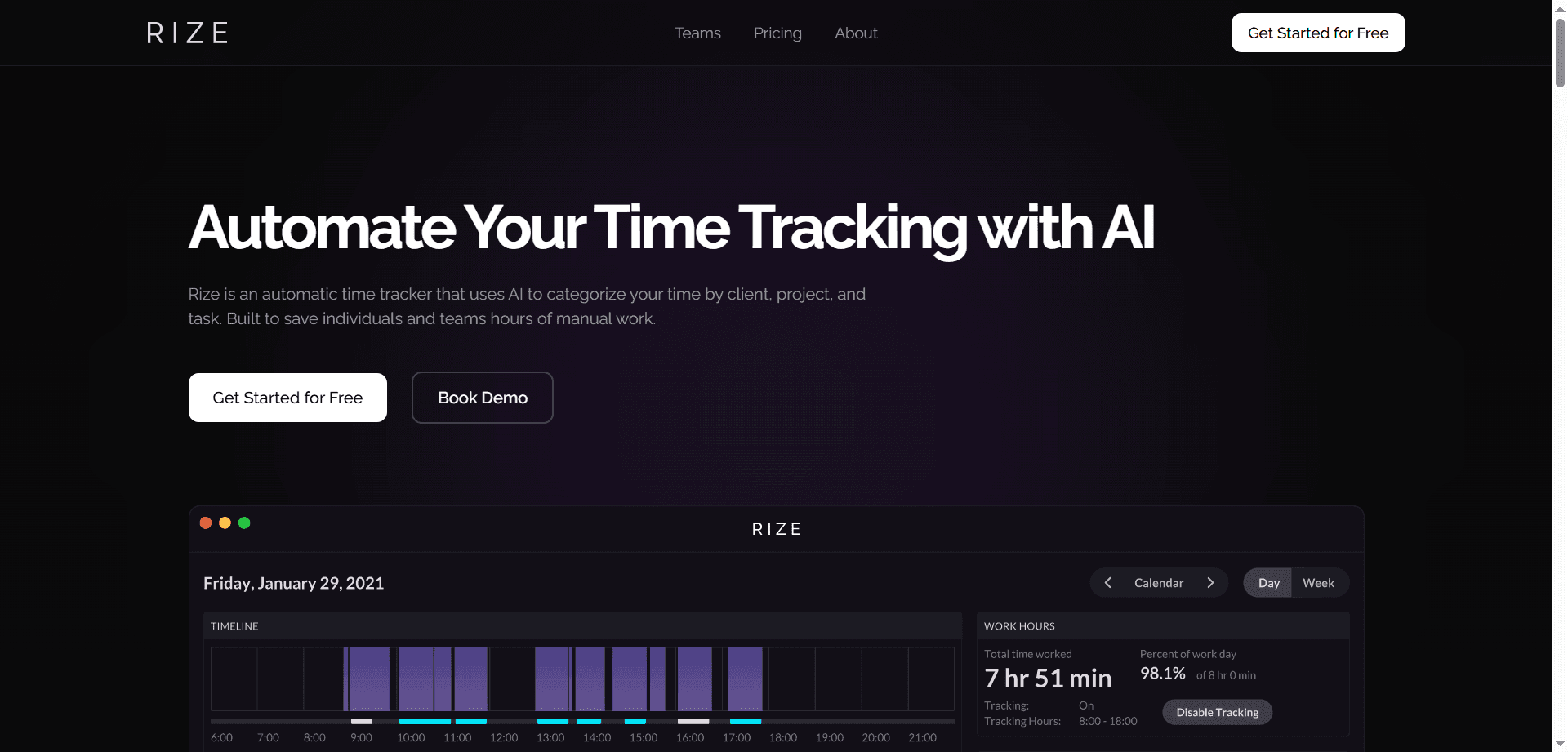
Rize functions as an AI productivity coach that tracks your time automatically in the background, providing insights about when you're genuinely focused versus when you're "fake-working" through excessive context switching. The system detects your focus state in real-time and uses this information to suggest breaks when fatigue sets in.
Unlike manual time tracking that requires logging activities, Rize observes what you're actually doing—which applications you use, how long you spend in each, how frequently you switch between tasks. This automatic tracking reveals the truth about how you spend time rather than how you think you spend it.
The insights often surprise users. You might believe you worked eight focused hours but discover you actually achieved only four hours of deep work interspersed with four hours of email, Slack, and shallow tasks. This awareness enables better scheduling decisions and more realistic commitments.
The AI-suggested breaks prevent burnout by intervening when it detects declining focus quality. Rather than pushing through ineffective work hours, you take strategic breaks that restore focus, ultimately achieving more quality work in less total time.
For remote workers lacking the natural breaks and transitions of office environments, Rize provides the structure and awareness needed to maintain sustainable productivity without burning out.
Sunsama : Mindful Task Commitment
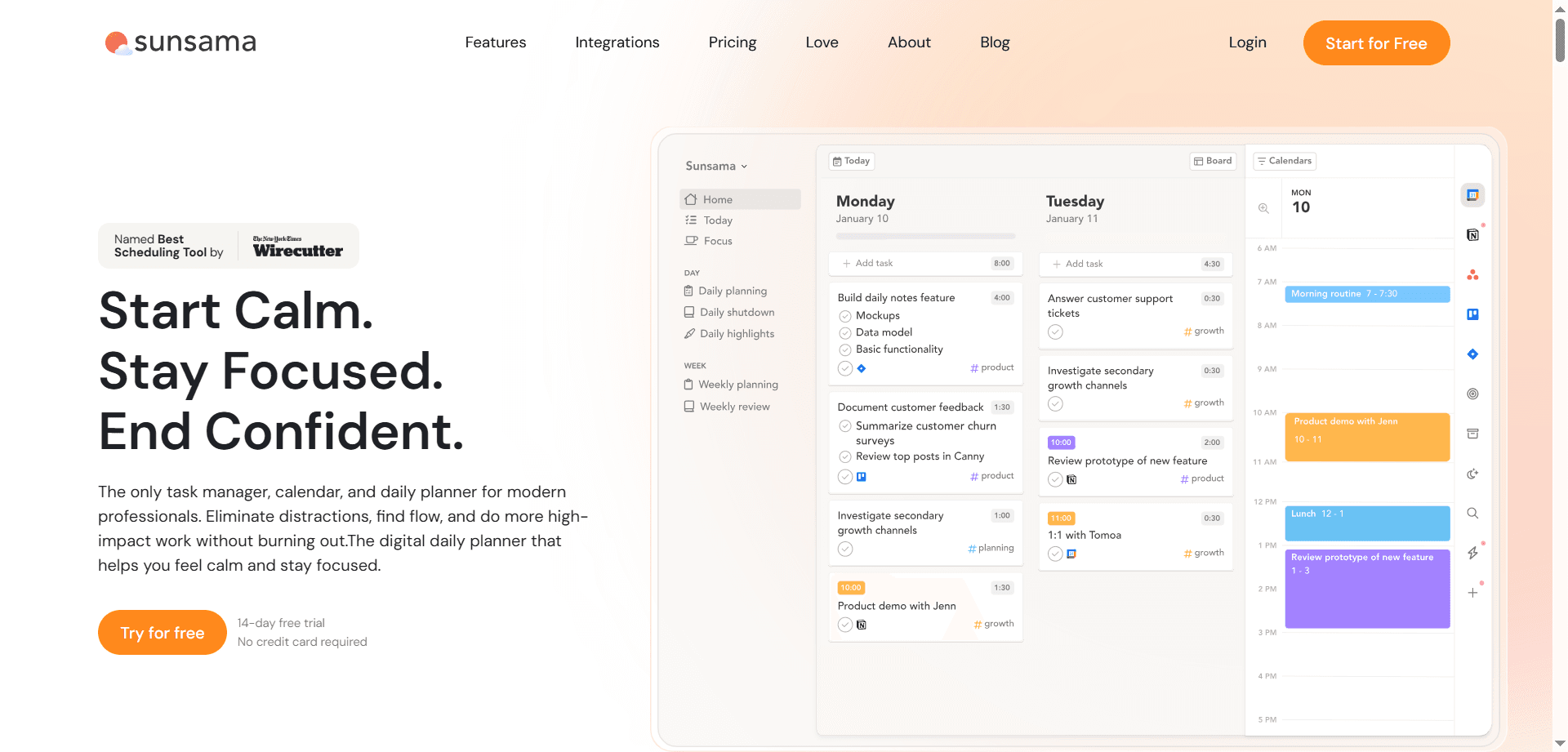
Sunsama has gained popularity for its "Mindful Time Management" approach that enforces a daily planning ritual where AI helps you prune your task list to include only what's actually achievable in a 24-hour window. This forced prioritization prevents the overwhelm of impossibly long to-do lists.
The system guides you through reviewing everything demanding your attention, then helps identify the truly important tasks that deserve time today. Tasks that don't make the cut are explicitly deferred rather than lingering as source of guilt and stress.
This mindful approach acknowledges psychological research showing that overly ambitious to-do lists decrease motivation and increase stress. By committing only to achievable daily goals, you end days feeling accomplished rather than defeated by uncompleted tasks.
The AI assistance makes this pruning process efficient rather than time-consuming. It suggests which tasks are deadline-critical, which could be deferred, and which might be eliminated entirely. This guidance helps overcome the tendency to overcommit that plagues many high-achievers.
SaneBox : Intelligent Email Filtering
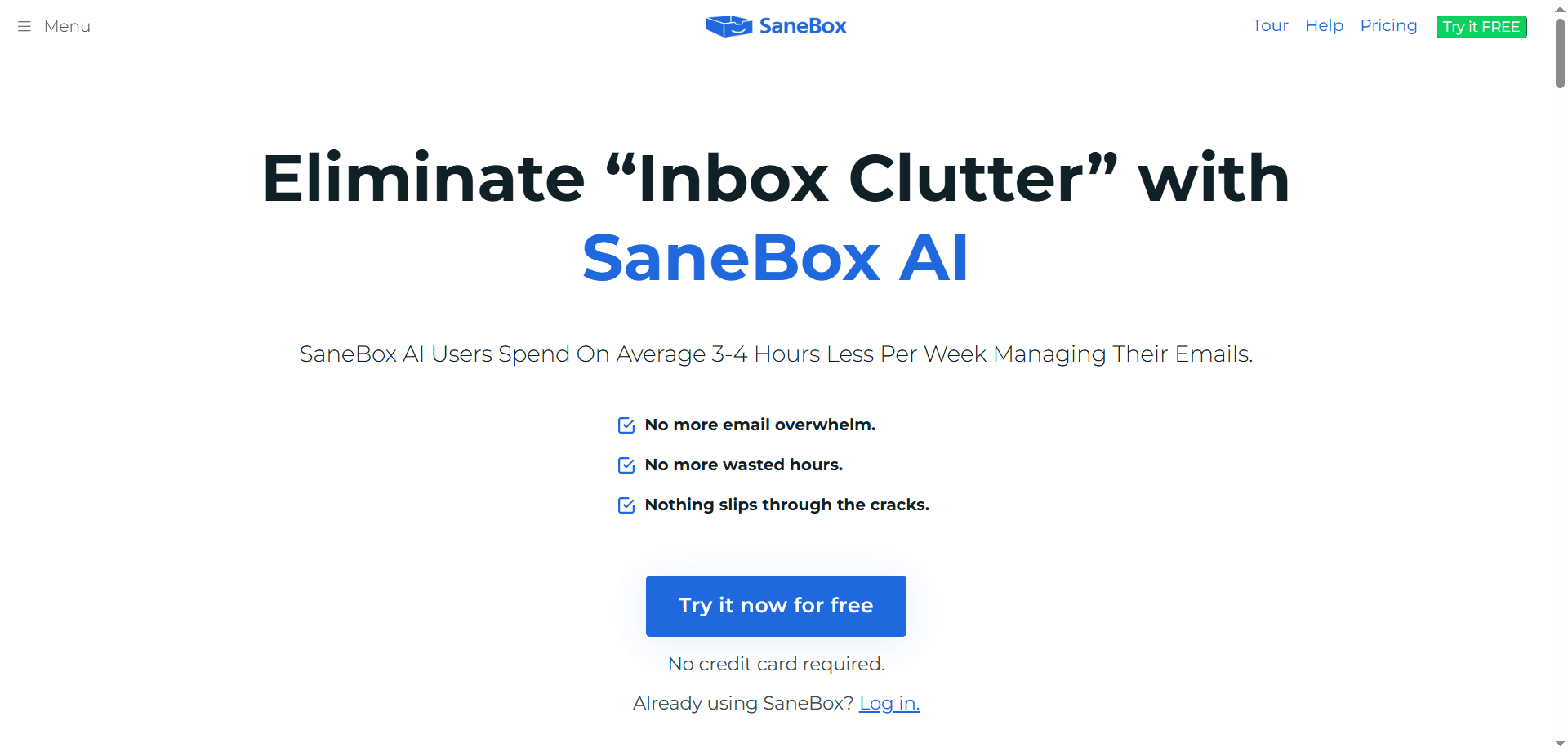
For people drowning in email, SaneBox uses AI to automatically filter noisy newsletters, CC'd threads, and non-urgent messages into separate folders, leaving only genuinely important emails requiring attention in your primary inbox. This intelligent filtering dramatically reduces email overwhelm.
The system learns your email patterns over time, understanding which senders are important, which subjects typically need immediate attention, and which types of messages can wait. This personalized filtering is far more accurate than simple rule-based sorting.
By removing email noise automatically, SaneBox allows you to focus on messages that actually need responses or action. You reclaim the mental clarity of an inbox that contains only meaningful communication rather than a overwhelming mixture of urgent and irrelevant.
The time savings are substantial—instead of scanning hundreds of messages to identify the dozen that matter, you see only important messages immediately and can review filtered messages when time permits. For people receiving 100+ daily emails, this filtering is the difference between email being manageable versus overwhelming.
Zapier Central : Time-Aware Workflow Agents
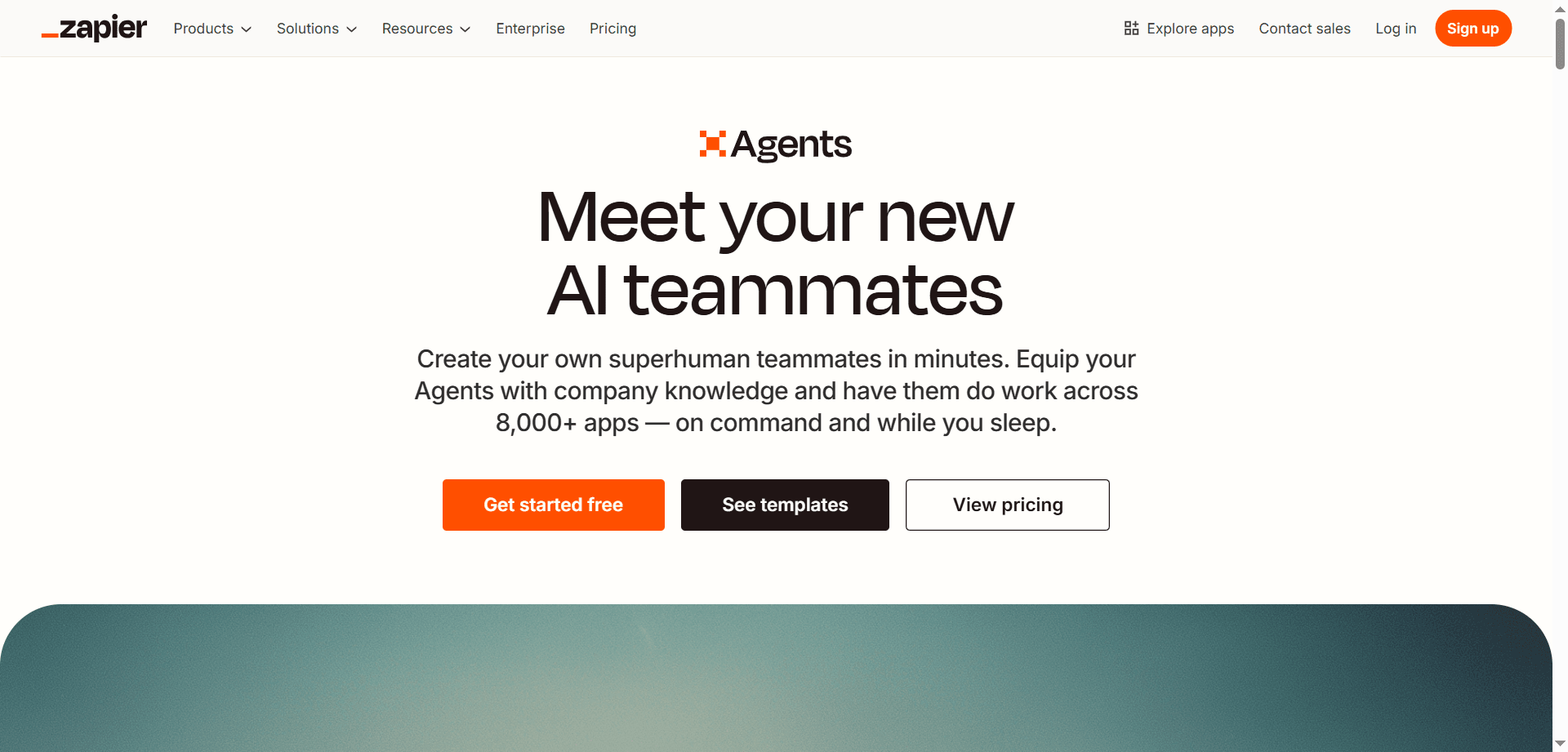
Zapier Central enables creating "Time Agents" that watch for specific triggers and automatically perform time management actions. For example, when a client pays an invoice, the agent might automatically block two hours the following Tuesday for project kickoff, add relevant tasks to your to-do list, and notify your team.
These workflow automations eliminate the manual steps that typically follow certain events. You don't need to remember to schedule kickoff time after payment arrives—the agent handles it automatically, ensuring appropriate time is protected before your calendar fills with other commitments.
The time-awareness of these agents is crucial. They understand your calendar state and can make intelligent decisions about when to schedule blocks, whether to move existing commitments, and how to coordinate with other scheduled activities.
For people managing complex workflows with predictable sequences of actions, Time Agents eliminate the administrative overhead of translating business events into calendar actions. The automation ensures necessary time is protected proactively rather than trying to squeeze it in later.
Trevor AI : Reality-Based Time Estimation
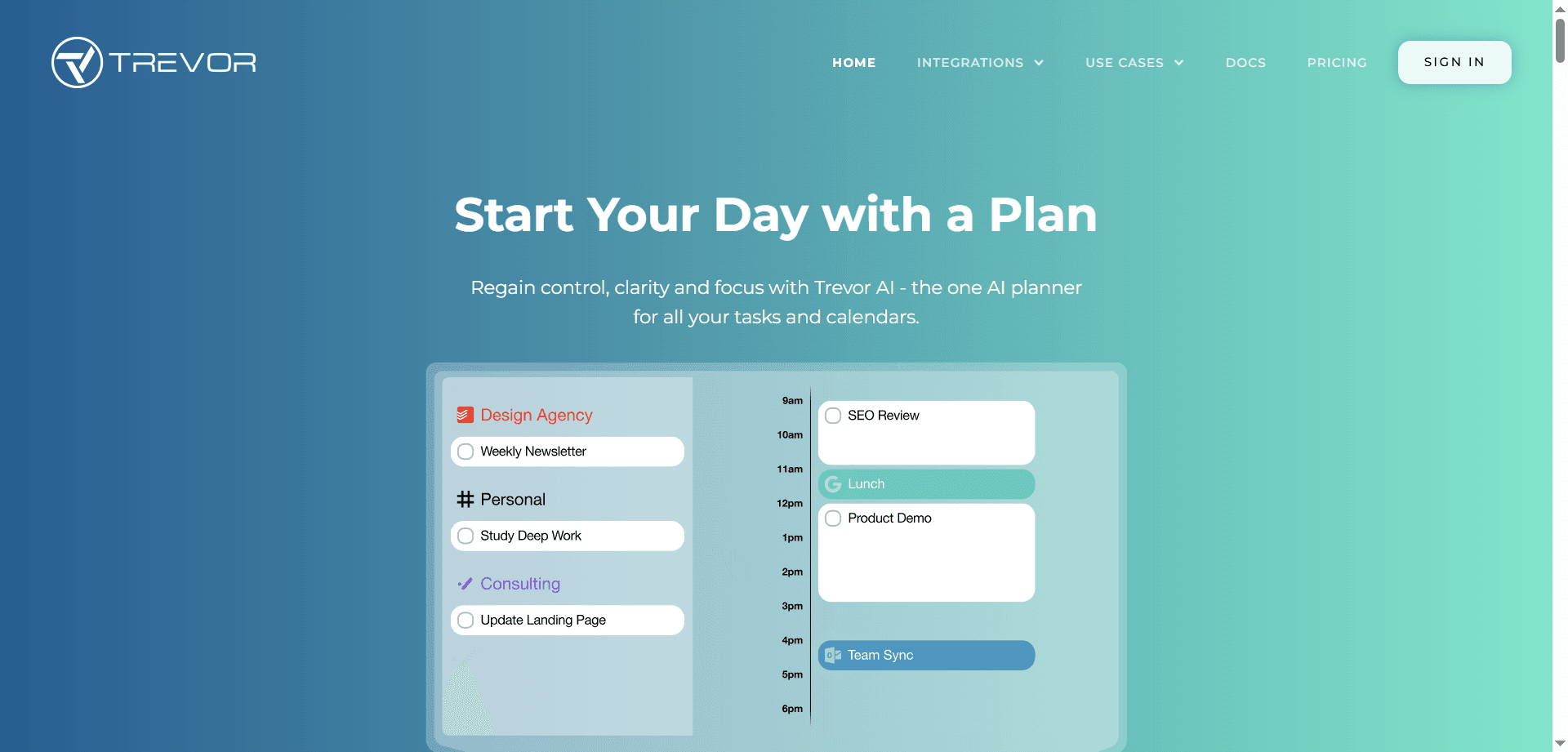
Trevor AI specializes in time-blocking with a crucial innovation: it learns how long tasks actually take you rather than accepting your optimistic estimates. If you consistently estimate thirty minutes for a task that takes you ninety, Trevor learns this pattern and schedules accordingly.
This reality-based scheduling prevents the common problem of chronically overbooked schedules where you commit to more than is physically possible because your estimates are consistently optimistic. Trevor's realistic scheduling means you actually complete planned work rather than perpetually running behind.
The system also learns which types of tasks you underestimate most severely, providing feedback that helps calibrate your planning over time. This awareness can improve your estimation skills even outside the tool.
For people who struggle with realistic time estimation—most people—Trevor provides the honest feedback and accurate scheduling that makes time-blocking actually work rather than being another system that looks good on paper but fails in practice.
Focus@Will : AI-Powered Flow State Audio
Focus@Will uses AI to generate personalized "neuro-music" designed to help your brain achieve flow state significantly faster. The system adapts audio patterns based on neuroscience research about how different sound frequencies affect focus and cognitive performance.
Unlike generic music playlists, Focus@Will's AI personalizes soundscapes based on your responses, learning which audio patterns help you achieve and maintain focus most effectively. The system adjusts in real-time based on your engagement patterns.
The claimed "400% faster flow state entry" may sound hyperbolic, but many users report noticeably improved focus when using optimized audio compared to silence or random music. For people working in distracting environments or struggling to initiate deep work, the right audio environment can be surprisingly impactful.
Combined with time-blocking tools that protect focus time, Focus@Will helps ensure protected time is actually productive rather than spent struggling to concentrate.
Magic Feature: Automatically moves meetings to create synchronized focus blocks for entire teams.
Magic Feature: Auto-schedules tasks into available calendar gaps, ensuring everything gets done.
Magic Feature: AI agent emails people to negotiate and book meetings on your behalf completely autonomously.
Magic Feature: Detects focus state automatically and tracks every second you actually work versus context switch.
Magic Feature: Protects personal habits and focus time as non-negotiable, moving them rather than deleting them.
Magic Feature: Aggregates tasks from email, Slack, and project tools into one unified view with AI time-blocking.
Magic Feature: AI filtering that removes noise from your inbox automatically, leaving only important messages.
Successfully implementing AI time management requires thoughtful integration rather than adopting every tool simultaneously. The most effective approach identifies your specific pain points and addresses them systematically.
If email coordination is your primary time drain, begin with Lindy. If fragmented schedules destroy focus, start with Clockwise or Reclaim. Address the issue causing most pain first to generate immediate value and motivation for further implementation.
Once your primary pain point is addressed, add complementary tools. If you start with Motion for task scheduling, add Reclaim to protect personal time, then add Rize to track actual productivity. Each layer addresses a different aspect of time management without redundancy.
Ensure tools work together rather than creating isolated systems. Motion should read from your task sources, Reclaim should protect time in your actual calendar, Rize should track time across all your activities. Integration multiplies effectiveness.
Spend time configuring tools to match your actual work patterns and preferences. Tell Reclaim which hours are truly non-negotiable, configure Motion with accurate task duration estimates, set Lindy's scheduling preferences to match when you actually prefer meetings. Personalization dramatically improves effectiveness.
Schedule monthly reviews of your time management system. Are tools working as intended? Have your needs changed? Are there new bottlenecks emerging? Continuous refinement ensures your system evolves with your work.
The psychological impact of AI time management extends beyond simple efficiency gains. These tools change how you experience time, work, and control over your life.
When AI handles scheduling decisions, you preserve mental energy for decisions that matter. Research shows we have limited daily decision-making capacity—offloading routine scheduling decisions to AI preserves this capacity for important choices.
Using AI time management requires trusting an algorithm with something deeply personal—how you spend your time. Building this trust takes time but pays dividends as you stop second-guessing the AI and simply follow the schedule it creates.
When you trust your system to ensure important work gets done, you can focus completely on the current task rather than mentally tracking everything else demanding attention. This presence improves both work quality and experience.
Tools like Rize and Trevor provide honest feedback about how you actually work versus how you think you work. This awareness can be uncomfortable but is essential for realistic planning and sustainable productivity.
For people who struggle to say no or protect personal time, AI tools provide external enforcement of boundaries you intellectually know you need but emotionally struggle to maintain. The AI becomes the "bad guy" protecting time you need.
AI time management tools reveal an uncomfortable truth: much of what feels like productive work is actually "productivity theater"—activities that look like work but don't advance meaningful goals.
Rize's tracking often reveals people spend far less time on deep, meaningful work than they believe. Email, meetings, and task switching consume hours that feel productive but accomplish little of lasting value.
Motion and Sunsama force confronting the difference between being busy and being effective. You can't schedule twenty hours of tasks into an eight-hour day, forcing prioritization between truly important work and merely urgent busywork.
When Clockwise struggles to find time for meetings or Lindy tries to schedule yet another call, it prompts questions about whether meetings are truly necessary. Could this be an email? Does this meeting have a clear purpose?
SaneBox revealing that most email isn't actually important highlights how much email checking serves as procrastination from harder work rather than genuine communication necessity.
The most valuable outcome of AI time management might not be efficiency gains but the self-awareness enabling intentional choices about how you spend limited time. When you see clearly how time is actually used, you can make conscious decisions about whether that allocation serves your goals.
The real power of AI time management emerges when multiple tools work together as an integrated system rather than isolated solutions.
Your calendar should be the single source of truth that all tools reference and update. Motion schedules tasks, Reclaim protects habits, Clockwise optimizes meeting times, Lindy confirms appointments—all writing to one calendar that provides complete visibility of your time.
Ensure Motion or Akiflow can pull tasks from everywhere they originate—email, Slack, project management tools, meeting notes. Fragmented task sources lead to important work being invisible to your scheduling system.
SaneBox filters email, Lindy handles meeting coordination, Slack (with appropriate notification settings) handles urgent team communication. Each channel has clear purpose without overlap creating redundancy.
Reclaim blocks focus time, Focus@Will provides optimal audio during those blocks, Rize tracks whether you're actually focused or context-switching. This multi-layered approach ensures protected time is genuinely productive.
Schedule regular reviews where Rize's insights inform Motion's scheduling, Trevor's duration learning improves estimates, and Sunsama's daily planning incorporates lessons from previous weeks. This feedback loop continuously improves system effectiveness.
AI time management tools are uniquely positioned to address work-life balance challenges that have intensified with remote work and always-on connectivity.
Configure Reclaim with truly non-negotiable boundaries—dinner time with family, exercise, sleep hours. Let the AI enforce boundaries you struggle to maintain yourself when work pressure increases.
Schedule demanding work during your high-energy periods (identified by Rize) and protect lower-energy times for recovery or lighter tasks. Sustainable productivity requires matching work intensity to energy availability.
Block times for complete disconnection where you're not just away from work tasks but away from all screens and digital communication. AI can protect this time but you must prioritize creating it.
Schedule time for activities that aren't "productive" in economic terms but are essential for wellbeing—hobbies, relationships, rest. When these activities are scheduled with the same seriousness as work meetings, they're more likely to happen.
After intense work sprints, schedule lighter days or time off. AI systems can help identify when you're approaching burnout and suggest recovery time before breakdown occurs.
The irony of AI time management is that its highest value might be protecting time for activities that aren't about productivity at all—the relationships, rest, and experiences that make productivity worthwhile.
The trajectory of AI time management points toward increasingly sophisticated systems that understand not just what needs to be done but how to optimize for human wellbeing and effectiveness simultaneously.
Future systems will predict burnout before it occurs, detecting patterns indicating unsustainable pace and proactively adjusting schedules to prevent breakdown rather than merely tracking time until collapse.
Instead of just matching tasks to available time slots, AI will schedule based on predicted energy levels, learned performance patterns, and physiological signals from wearables, ensuring work is scheduled when you're capable of doing it well.
Systems will optimize not just individual schedules but team coordination, ensuring meetings happen when all participants are alert and focused, that collaborative work is scheduled during overlapping high-energy periods, and that team rhythms support rather than fight individual productivity.
Rather than just scheduling what's urgent, AI will ensure adequate time is protected for important long-term goals that lack immediate deadlines—strategic thinking, skill development, relationship building—preventing the common trap where urgent but unimportant work crowds out truly important activities.
Future time management will integrate with health data, automatically adjusting schedules based on sleep quality, stress levels, and other wellbeing indicators, treating sustainable human performance as a constraint rather than an afterthought.
The people thriving with AI time management will be those who use it to create space for what matters rather than just fitting more productivity into every hour. The goal isn't maximum utilization of every moment but optimal allocation of limited time toward what genuinely matters—work that's meaningful, relationships that are nourishing, and rest that restores.
Time management in 2026 isn't about doing more in less time—it's about ensuring the time you have is spent on what actually matters, with the focus and energy to do it well, while protecting space for the recovery and relationships that make sustained effectiveness possible. AI doesn't give you more time—nothing can do that. But it can help ensure the time you have is spent intentionally rather than reactively, on what matters rather than what merely demands attention.
The future of time management is using AI to reclaim control over the scarcest resource—your time and attention—and directing it consciously toward the life and work you actually want rather than accepting whatever demands are loudest in the moment.
Discover the essential AI tools dominating 2026 that will transform your productivity. From ChatGPT to Cursor, learn which tools will help you work faster and smarter.
Discover the top AI tools revolutionizing content creation in 2026. From video editing to social media management, learn which tools will transform your creative workflow.
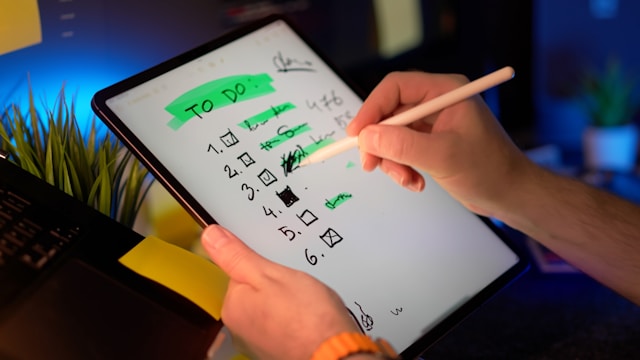
Discover how modern professionals are transforming from manual app-switching to AI-powered integrated orchestration. Learn the tools and strategies that eliminate workflow friction and multiply daily productivity.
Discover how the software development landscape has transformed from AI-assisted coding to Agentic Engineering. Learn about the best AI tools developers use in 2026 to manage fleets of AI agents for autonomous development.